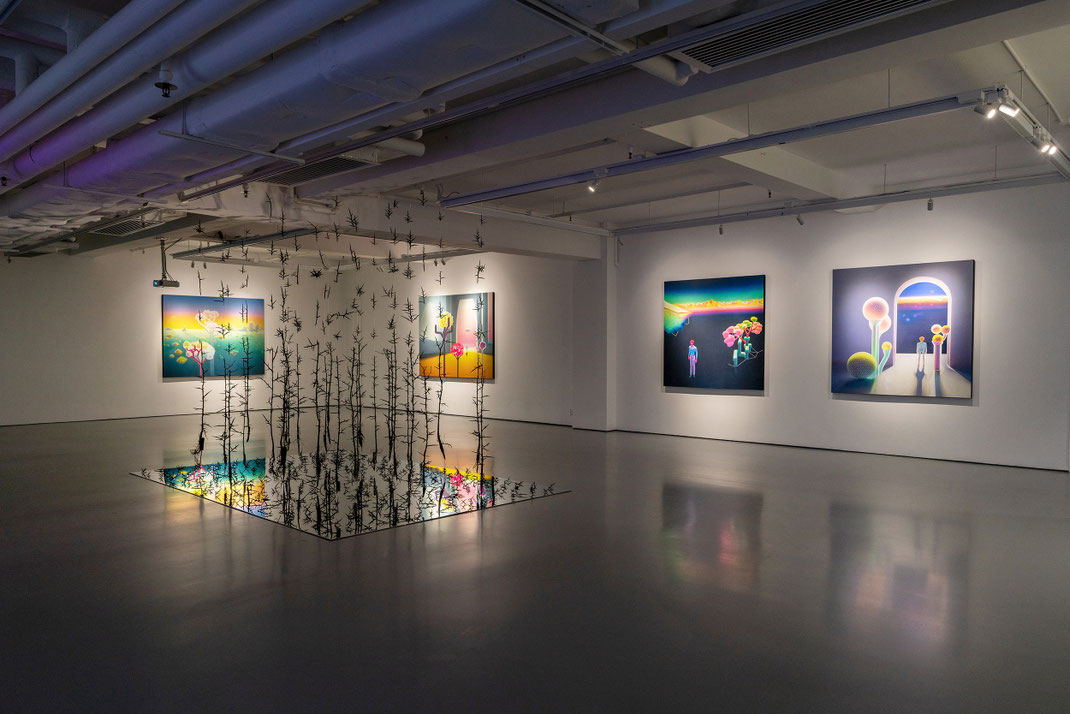
Solo show @ De Sarthe Gallery (Hong Kong) 2024
As a conceptual artist, Lin Jingjing’s approach to painting differs from traditional practices that emphasize the continuity of a recognizable personal style. For Lin, painterly style is not a fixed artistic signature but a visual language that must continuously shift and transform according to the conceptual needs of each project.
For example, in her paintings from 2024–2025, Lin deliberately adopts the visual characteristics associated with screen-based imagery in the digital age: smooth, clean, and luminous surfaces that present digitally reconstructed online landscapes. These scenes appear tranquil, beautiful, and harmless, yet subtly evoke a sense of estrangement.
These landscapes are not nature as directly experienced by humans, but nature that has been re-coded, filtered, optimized, and packaged through technology. They efficiently, precisely, and pleasingly satisfy contemporary desires for beauty, order, and security, gradually replacing direct relationships with the physical world. As virtual landscapes become more seductive than actual ones, and algorithmically generated worlds align more closely with human expectations than reality itself, our perception of what is real begins to undergo a fundamental transformation.
Beneath their calm and elegant appearance, these paintings therefore conceal a deeper sense of unease. What they present is a suspended condition between the real and the virtual, the natural and the artificial, freedom and control. Within this condition, human beings are both beneficiaries of technological innovation and subjects shaped by it; they actively participate in constructing new realities while simultaneously surrendering their authority to define reality itself.
These works continue Lin’s long-standing engagement with paradox: technology creates connection while producing alienation; it offers freedom while generating new forms of discipline and control; it opens unprecedented possibilities while weakening humanity’s most immediate relationship with reality. Ultimately, these seemingly serene online landscapes become metaphors for the contemporary human condition. They reflect not the world itself, but the ways in which humanity reimagines the world in the digital age.
作为一位观念艺术家,林的绘画与传统意义上强调个人风格延续性的绘画实践不同,对于她而言,绘画风格根据其观念需要而必须不断调整和转换。
比如,在2024至2025年的系列绘画中,林刻意模拟电子时代屏幕图像所特有的视觉特征:平滑、干净、明亮,呈现经过数字媒介重构后的线上景观(online landscape)宁静、美好、无害,却又隐约令人感到陌生的世界。
这些景观不是人类经验中的自然,而是被技术重新编码、筛选、优化和包装后的自然,高效、精准并愉悦地满足人类对于美、秩序与安全感的需求,从而取代着人们与现实世界的直接关系。当虚拟景观变得比真实景观更迷人,当算法生成的世界比现实更加符合人们的期待,人类对于真实的感知也发生根本性的转变。 因此,这些表面平静而优雅的画面,实际上隐藏着一种更深层的不安。
它们所呈现的是一种介于真实与虚拟、自然与人工、自由与操控之间的悬置状态。
在这种状态中,人类既是技术创造的受益者,也是被技术塑造的对象;既主动参与建构新的现实,也不断失去对于现实的定义权。
这些作品延续了林长期以来对于悖论的关注:技术带来连接,同时制造疏离;提供自由,同时形成规训;创造新的可能性,同时削弱人与现实之间最直接的联系。那些看似宁静的线上风景,最终成为当代社会精神处境的隐喻——它们映照的并非世界本身,而是人类在数字时代重新想象世界的方式。
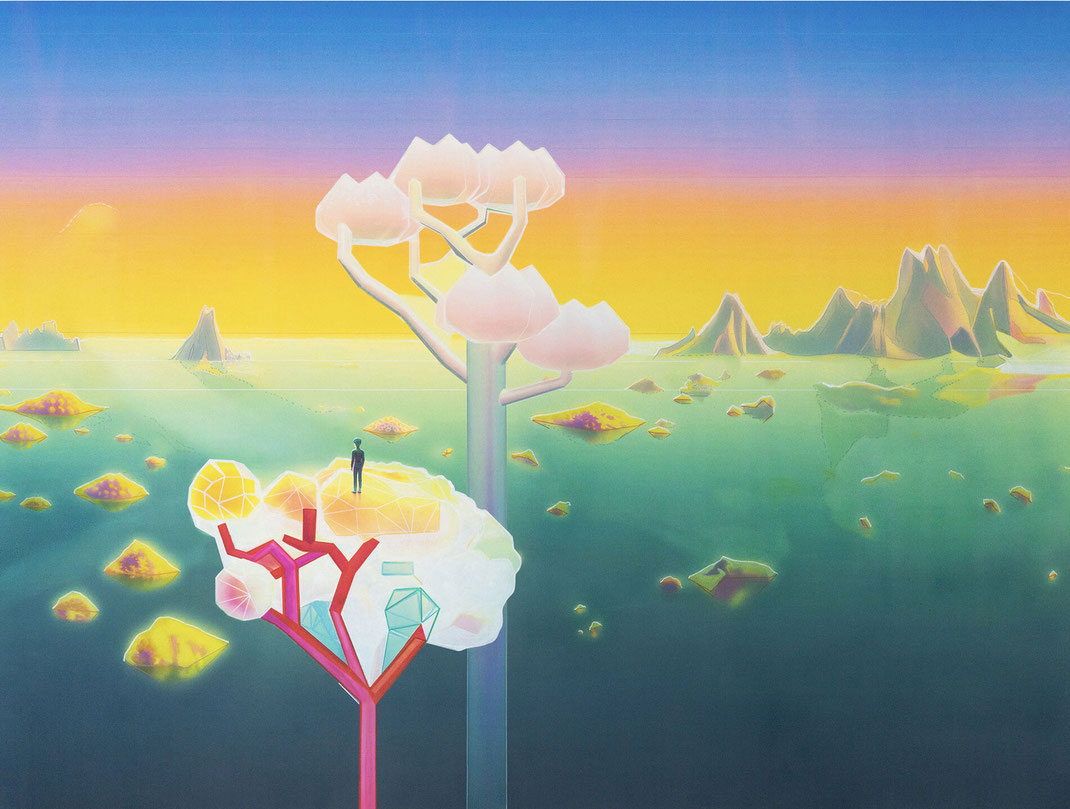
Blossoms of Spring Acrylic painting and airbrush on canvas 2024 148.5X 197cm
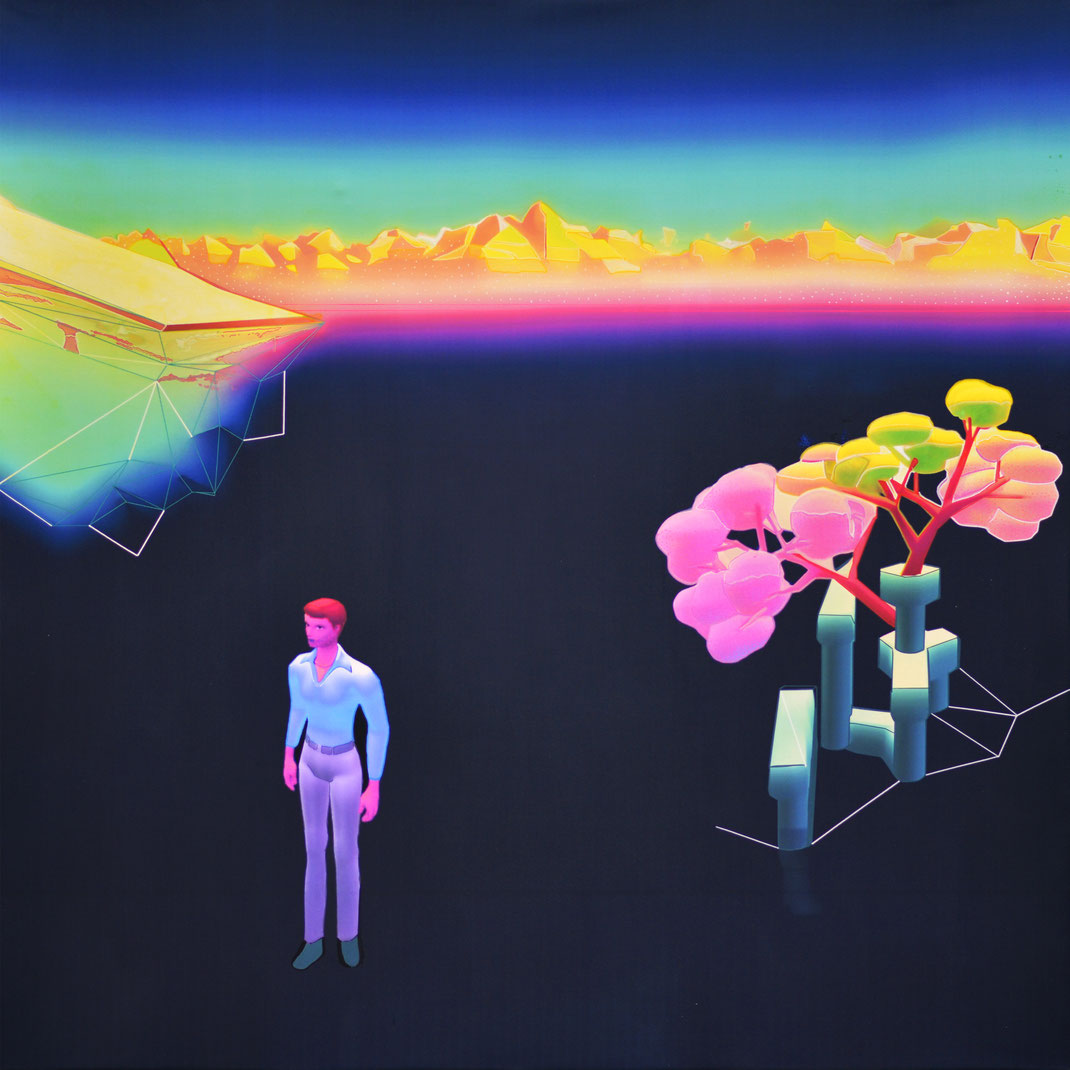
Verdant Valleys Acrylic painting and airbrush on canvas 2024 148 X 148cm

Returning to Where I Have Never Been Acrylic painting and airbrush on canvas 2024 200 x 150cm
Twilight Whispers Acrylic painting and airbrush on canvas 2024 198 x 149.5 cm
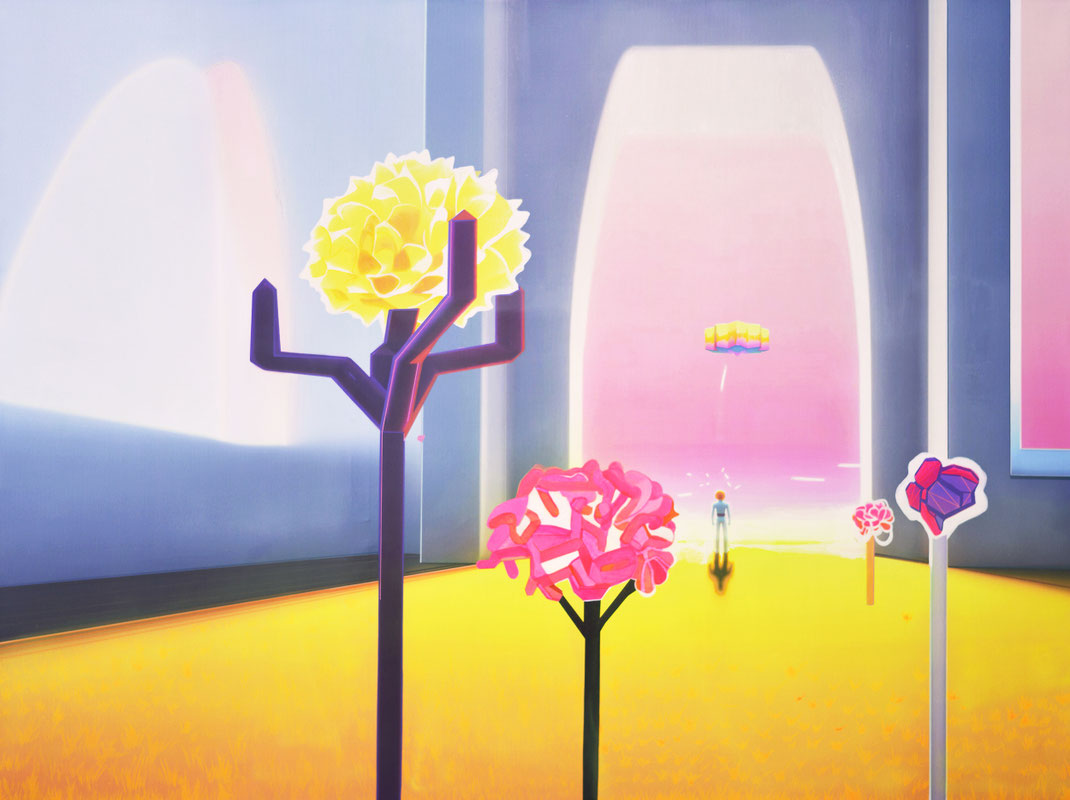

Mirage of Tranquility Acrylic painting and airbrush on canvas 2024 148 x 148cm
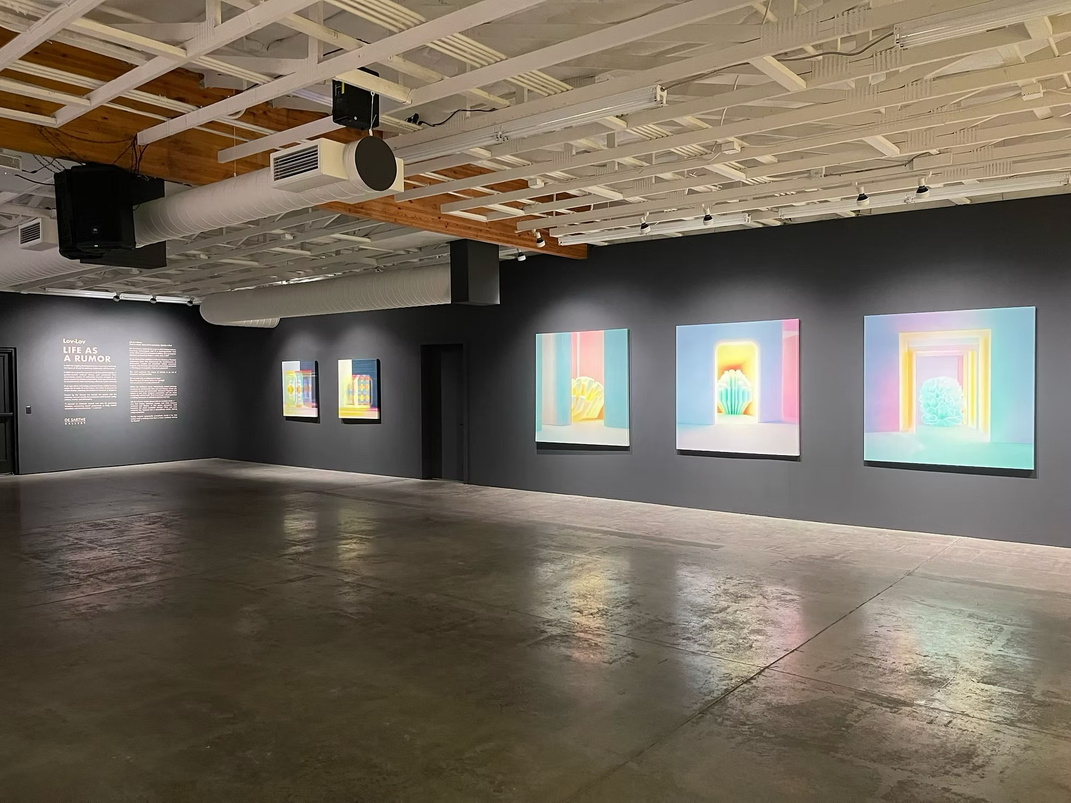
Solo show @ De Sarthe Gallery (US) 2025

The Radiance Acrylic painting and airbrush on canvas 2025 150 x 150cm
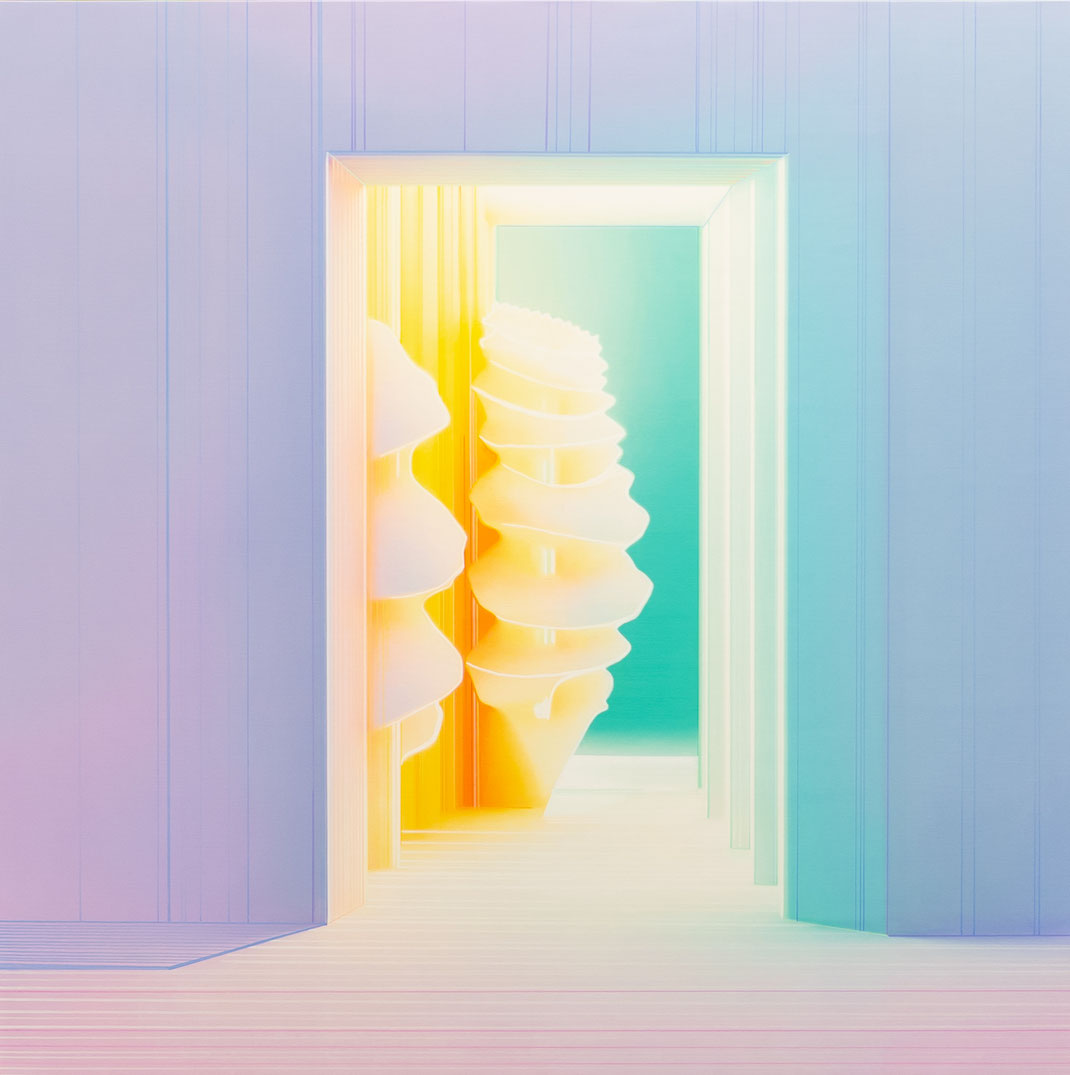
Reality Softens Acrylic painting and airbrush on canvas 2025 150 x 150cm
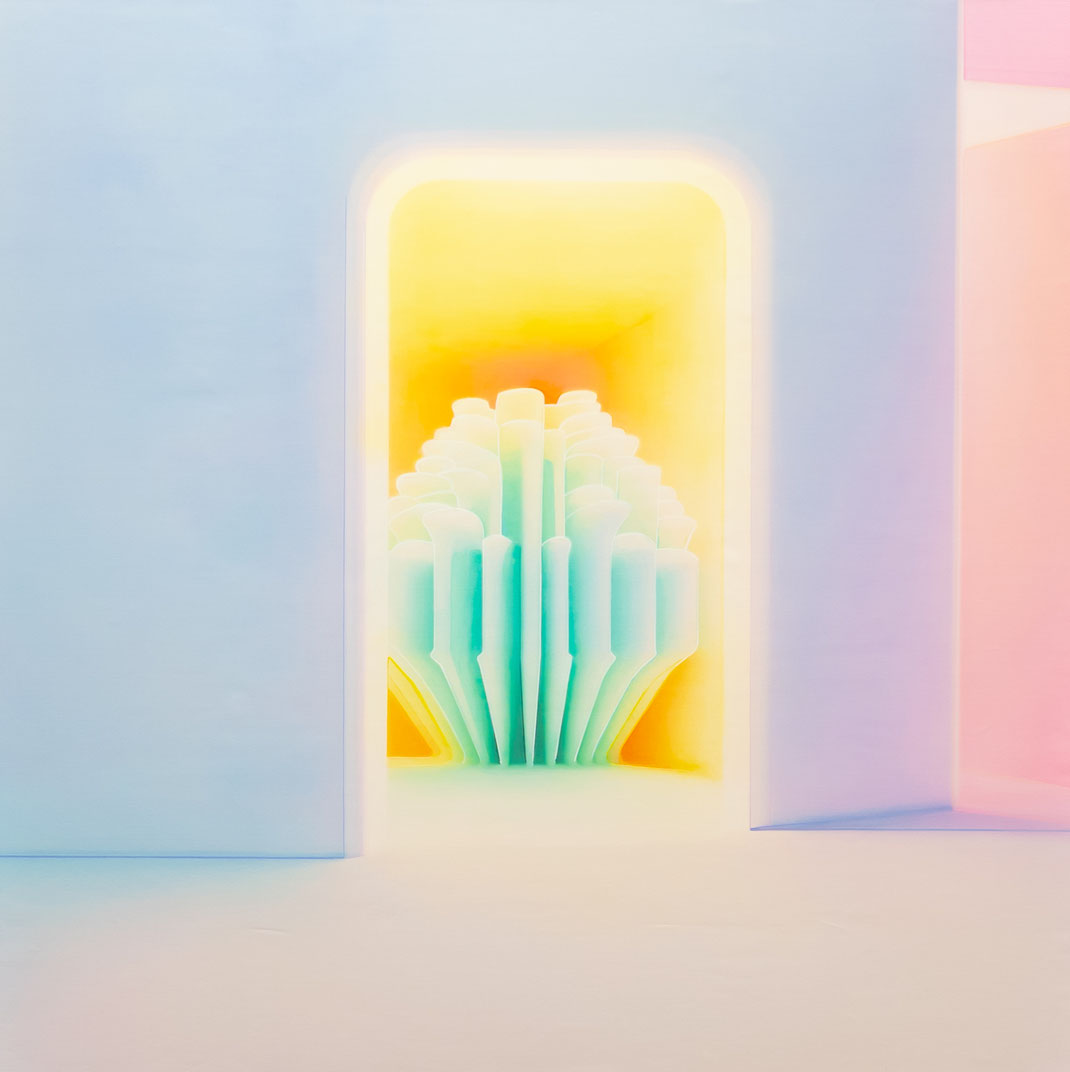
If Silence Could Be Touched Acrylic painting and airbrush on canvas 2025 150 x 150cm
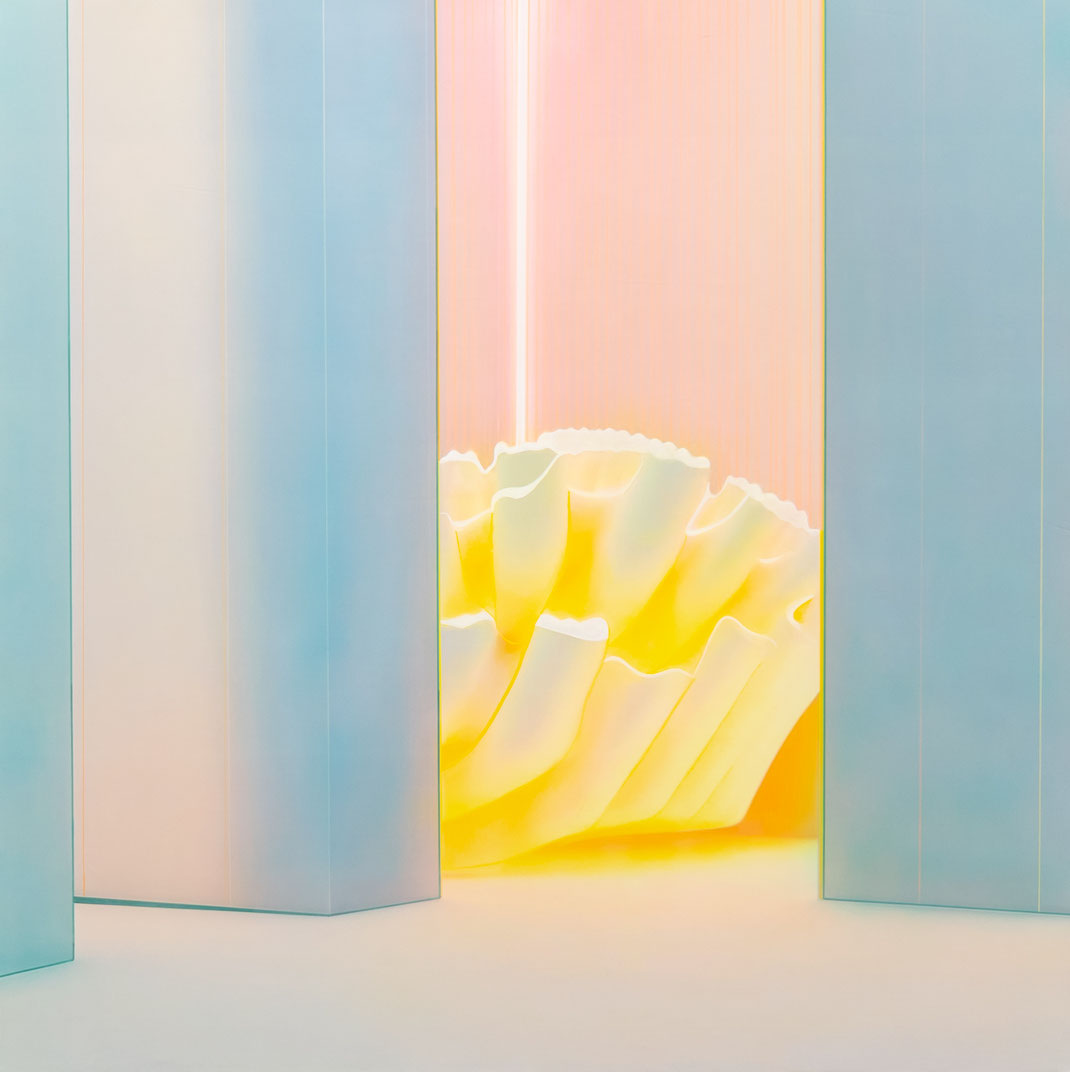
Unwritten Acrylic painting and airbrush on canvas 2025 150 x 150cm
Color of Memory (2011)
Lin Jing jing interview with Mi zhuang(2)
Mizhuang: Your work Color of Memory invited different people to enter into the artwork. Did you have any special criteria for the people you chose?
Lin: The people came from different backgrounds, different professions, different genders and different ages. I asked them the same three questions, all about their most painful memory.
Mizhuang: This is very interesting. You asked them to use a special way of recognizing and transferring their private memories.
Lin: Right. First they transform an abstract memory into a concrete object, then transform it into an abstract color.
Mizhuang: Their answers came to directly form the content and methods of your artwork.
Lin: Right. The narrative and transfer of information was theirs, and then I, as an observer, used the colors they described to paint an “object” that they described as having a close connection to their memory. I rendered and transformed their information.
Mizhuang: I noticed that you intentionally separated the sound and visuals in the narration videos. All of the people recounting their stories alone, when they stare into the camera and slowly speak; it feels calm and real, with no glossing over. The sound of their narratives is stiff; you rendered it into a staccato style, with each word being hammered out one at a time. To be honest, it really hit me.
Lin: Each segment is very severe, sorrowful and hesitant. The pain seems to belong to the speaker, and has been compressed into an unknown corner, where hidden wounds cause constant disruption. But in the recounting of this pain, it gradually separates and exists outside of the speaker, away from the pain of the experience. To recount the past is to create anew. Its realness shocks us, to the point that we almost don’t dare to face its realness. Pain can alter our normally numb state, but it can also make us grow number. This is a paradox. One person grew up under the shadow of his dead older brother. This brother, who he has never seen, perpetually hovers over every road he must cross. In the face of death, he is superfluous, imperfect, unreal. This painful memory has overshadowed him for thirty years, never fading away. When I asked him the second and third questions, he said: a medicine bottle full of pills. White, an extremely pale white. I believe that what shocks you is not the pain itself. Pain is not about individual experiences; it is about natural philosophy.
Mizhuang: Have you compared these different experiences?
Lin: I don’t look for the differences between these painful memories, I look for their commonalities. Extreme pain and grief are often caused by abandonment, sickness and death, or even abstract fear of one of the above, worry about potential danger and its unpredictable arrival. Through recognizing pain, we recognize all life, recognize our shared fears, desires, earnestness, control and balance. We face the fact that fear can never be truly avoided, face the fact that hopelessness can come out of nowhere, face the fact that pain magnifies our fears, doubts and weaknesses.
What matters is not what kind of pain we experienced. What matters is: what does that pain bring us? What does the most frightful pain we experience turn us into? When faced with enormous pain, what do freedom, dignity, even our lives mean?
But, what’s really interesting is that fear has always been a useful weapon in politics and power. Fear can spark unimaginable courage in people. Fear can drive people to die for nonexistent reasons.
记忆的颜色
林菁菁与米庄艺术对话之二
米庄:你的作品《记忆的颜色》, 邀请了不同的人加入到作品中来,在人群的选择上,有什么特定的选择吗?
林:人选来自不同文化背景,不同职业,不同性别,不同年龄,询问他们完全相同的三个问题,关于所经历的最痛的记忆。
米庄:这很有意思,你要求对方用一种非常的方式来识别和转换他的私人记忆。
林: 对,先是从抽象的记忆转换成具象的实物,然后再转换成抽象的色彩。
米庄:他们的答案直接构成了你的作品创作内容和方式。
林:是的,叙述和信息传递的是他者,作画的却是我这样一个旁观者,我使用了他者描述的色彩,画出与他者叙述的一段记忆紧密关联的’物体”,我对信息进行了处理和转换。
米庄:我注意到你把叙述的录像中影像的部分和声音的部分有意分离,所有正在独自叙述关于伤痛的记忆的人,对着镜头缓慢地叙说,平静,真实,毫无掩饰,叙述者的音频部分,硬生生地,被你处理成一个字一个字敲键而出,说实话,挺震撼我的。
林:每一段看起来都非常诚挚,悲痛,迟疑。伤痛似乎属于陈述者,一度被压缩在某个不为人知的角落,隐藏的创伤曾经带来不得安宁的困扰,但其实伤痛在陈述中,逐渐脱离了陈述者而存在,脱离亲历的触痛,陈述过去是一次对过去的重新创造,它的真实给于我们的触目惊心,使我们几乎不敢正视它的真实,伤痛可以改变我们麻木冷漠的常态, 也可以让我们变得更加冷漠和麻木,这已经是悖论。一个终日生活在他年幼夭折的哥哥的阴影中的孩子,他从未谋面的哥哥无时不刻地停留在任何他需要穿行的道路上,在死亡面前,他是多余的,无法完美的,不真实的,这段伤痛的记忆影响了他30年,仍未退场,他回答我的第二个第三个问题时说:一个装满药片的药瓶子。白色的,非常苍白的白色。我相信,震撼你的并不是伤痛本身,伤痛不是关于个人经验,而是关于自然哲学。
米庄:你比较过这些不同的经历吗?
林:我不寻找每一段伤痛之间的不同,我寻找每一段伤痛中共同的部分,撕心裂肺的疼痛往往来自离弃,疾病,孤独或者死亡,甚至是对于上述种种的抽象恐惧,担心任何潜在的危险和不测的降临。我们通过对伤痛的认识而认识所有的生命,认识我们共同的恐惧,欲望,热诚,节制和平衡,正视恐惧从来不可能被真正躲避,正视绝望可以来自一个寒气逼人的其他地方和任何地方,正视疼痛一度放大了我们的恐惧,疑虑和脆弱。
重要的不是我们经受过什么样的疼痛,重要的是疼痛带来了什么?我们经受过的最可怕的疼痛会使我们成为什么?自由,尊严甚至是我们自己的生命,在面对巨大的疼痛的时候,意味着什么?
但是,有意思的是:恐惧对于政治和强权却从来都是个有力的武器,恐惧可以激发人们产生出不可想象的勇气,恐惧可以鼓动人们为了某种虚拟的理由而出生入死。
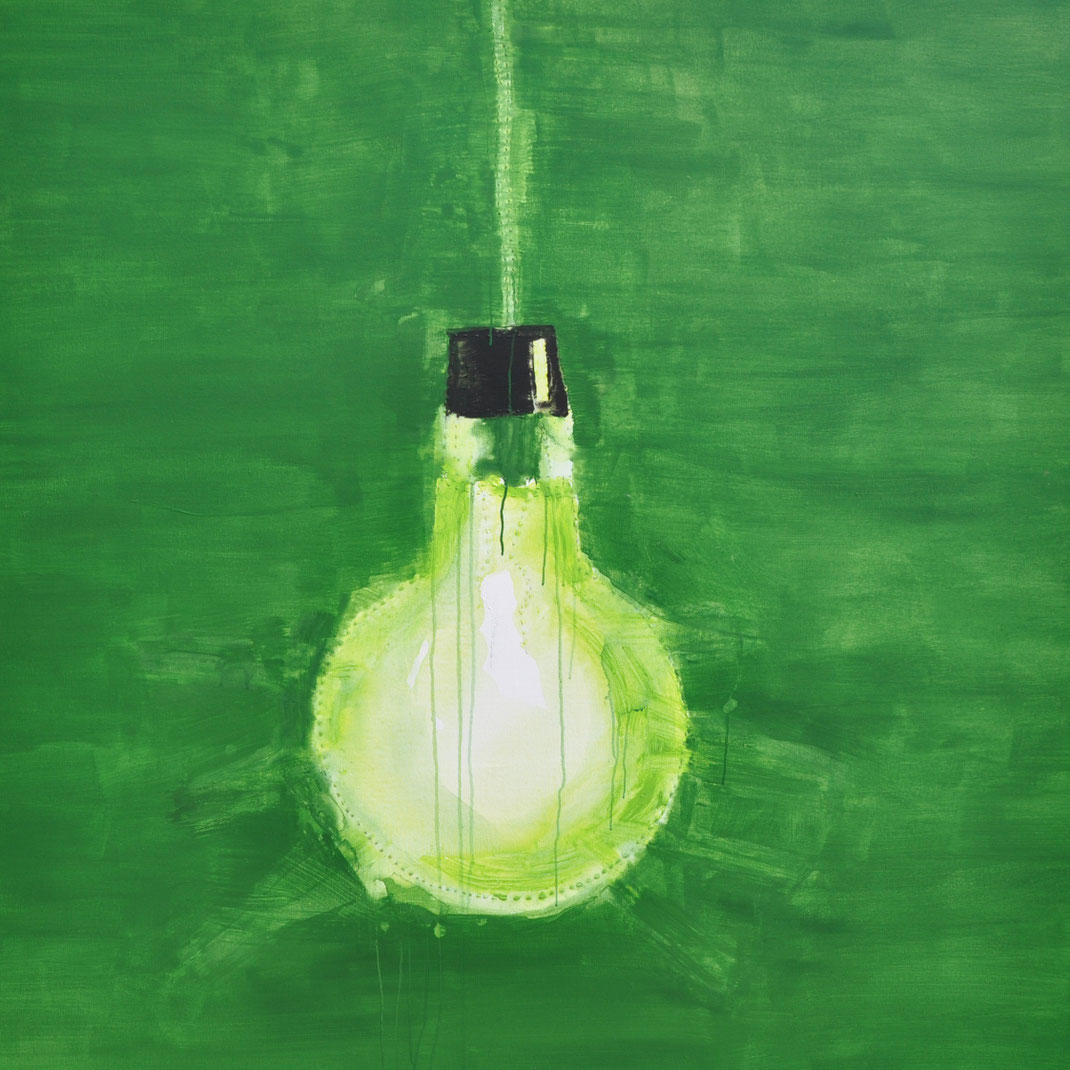
--- What is your most painful memory?
My first boyfriend left me for another girl.
It was very painful.
I saw them sitting together in the park, and that girl was leaning in close to him.
I felt like my heart had shattered.
I returned to my dorm room alone, and stared at a bright light bulb deep into the night.
When I finally closed my eyes, I thought I had gone blind.
The next day, my vision had seriously deteriorated.
The eye doctor said he had never seen anything like this in his 20 years of practice.
--- If that memory could be transformed into an object ,what would it be ?
A light bulb.
--- What color would you use to describe this memory?
Green, a yellowish-green shimmering with yellow sparks.
问题一: 你所经历的最痛的记忆是什么?
我第一个男友,他为了另一个女人离开了我,我非常伤心,我看见他在公园里坐着,那个女孩就挨着他,紧紧地依偎着他,我那时觉得我的心完全碎了。 我独自回到我的宿舍,盯着明晃晃的电灯泡盯了一晚上,直到深夜睡去,我终于闭上眼睛的时候,我觉得我瞎了,第二天,我的视力严重下降,眼科医生说,他20年都没有遇到过我这样病例。
问题二: 如果把这段记忆还原成一个物体的话,会是什么物体?
灯泡。
问题三: 如果选择一个颜色来描述这段记忆,会是什么颜色?
绿色,闪着刺目的黄光的黄绿色。
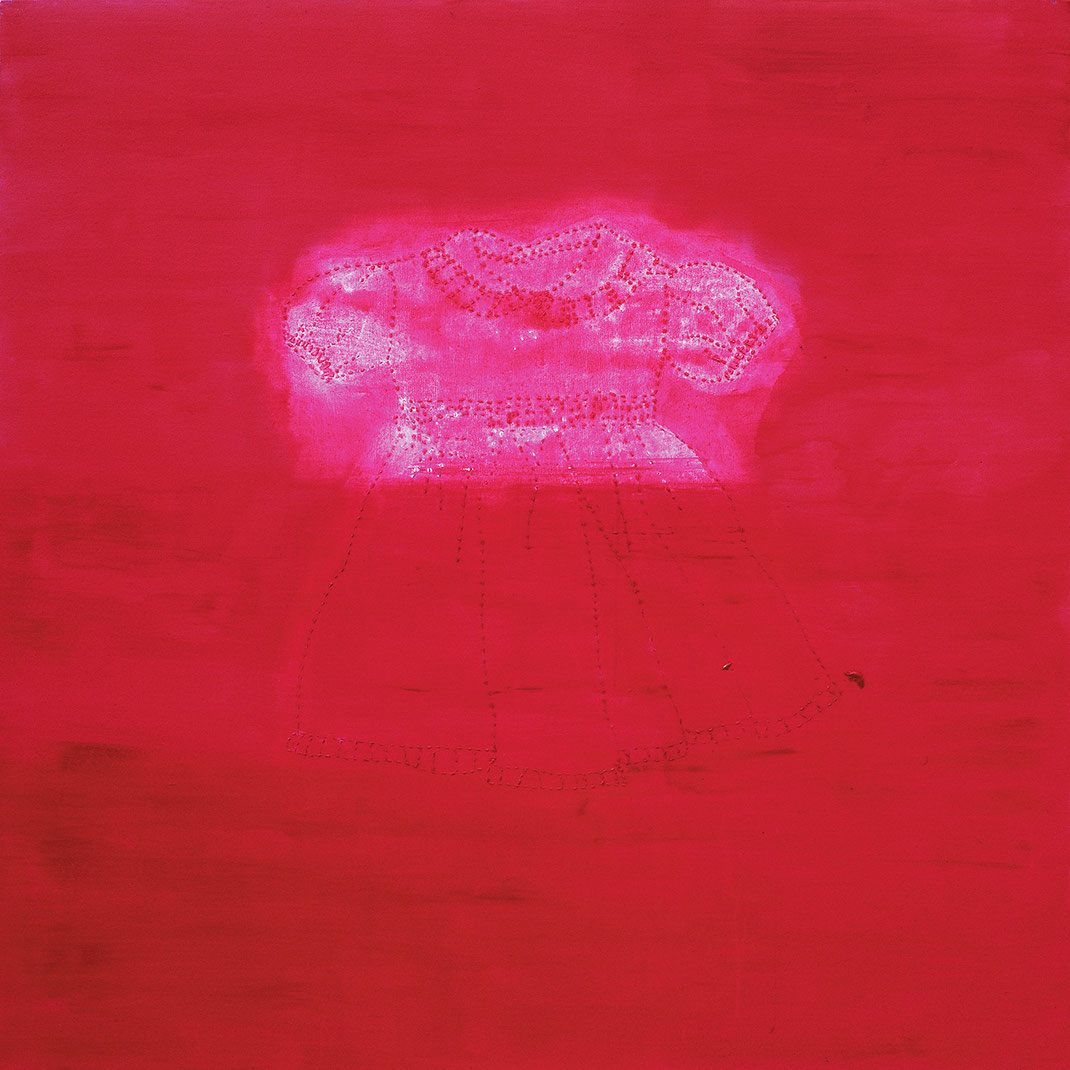
--- What is your most painful memory?
Fifteen years ago,
I took my three year old daughter shopping at the mall.
I spotted a pink one piece dress, which I had her try on.
It fit her well, and looked really pretty on her.
So I went to the register about ten meters away to pay for it. She was in front of the mirror, trying out various poses.
She was only out of my sight for two minutes, and I figured that she was still at the mirror.
But after I paid and came back, she was gone.
She had vanished.
I rushed madly through the mall looking for her. All of the mall employees helped me look for her, but I couldn’t find her.
For the first 5 or 6 years, I couldn’t believe it.
I always fantasized that she would suddenly pop out from behind a corner, looking exactly as she did that day.
--- If that memory could be transformed into an object ,what would it be ?
A small one piece dress with embroidered edges. It’s beautiful.
--- What color would you use to describe this memory?
Pink, the color of that dress.
问题一: 你所经历的最痛的记忆是什么?
15年前,我带着3岁的女儿去商场购物,我看上了一件粉红色的连衣裙,我让她试穿了,裙子非常合适,她看起来非常可爱漂亮,我于是到10多米之外的收银台付款,她在穿衣镜之前旋转摇摆,扮着各种表情,只有一两分钟的时间她不在我的视野里,我想她一定是就在镜子后面,
等我付完款,回到镜子那儿,我没有看到她,她消失了,我发疯了一样找遍了整个商场,所有商场的工作人员也一起帮我找,我再也没有找到她。
最初的5,6年,我始终不敢相信这个事实,我总是幻想着她会忽然从某个角落跑出来,就象她曾经那样。
问题二: 如果把这段记忆还原成一个物体的话,会是什么物体?
是那件小连衣裙,带着花边,美丽极了。
问题三: 如果选择一个颜色来描述这段记忆,会是什么颜色?
粉红色,就是那件连衣裙的颜色。
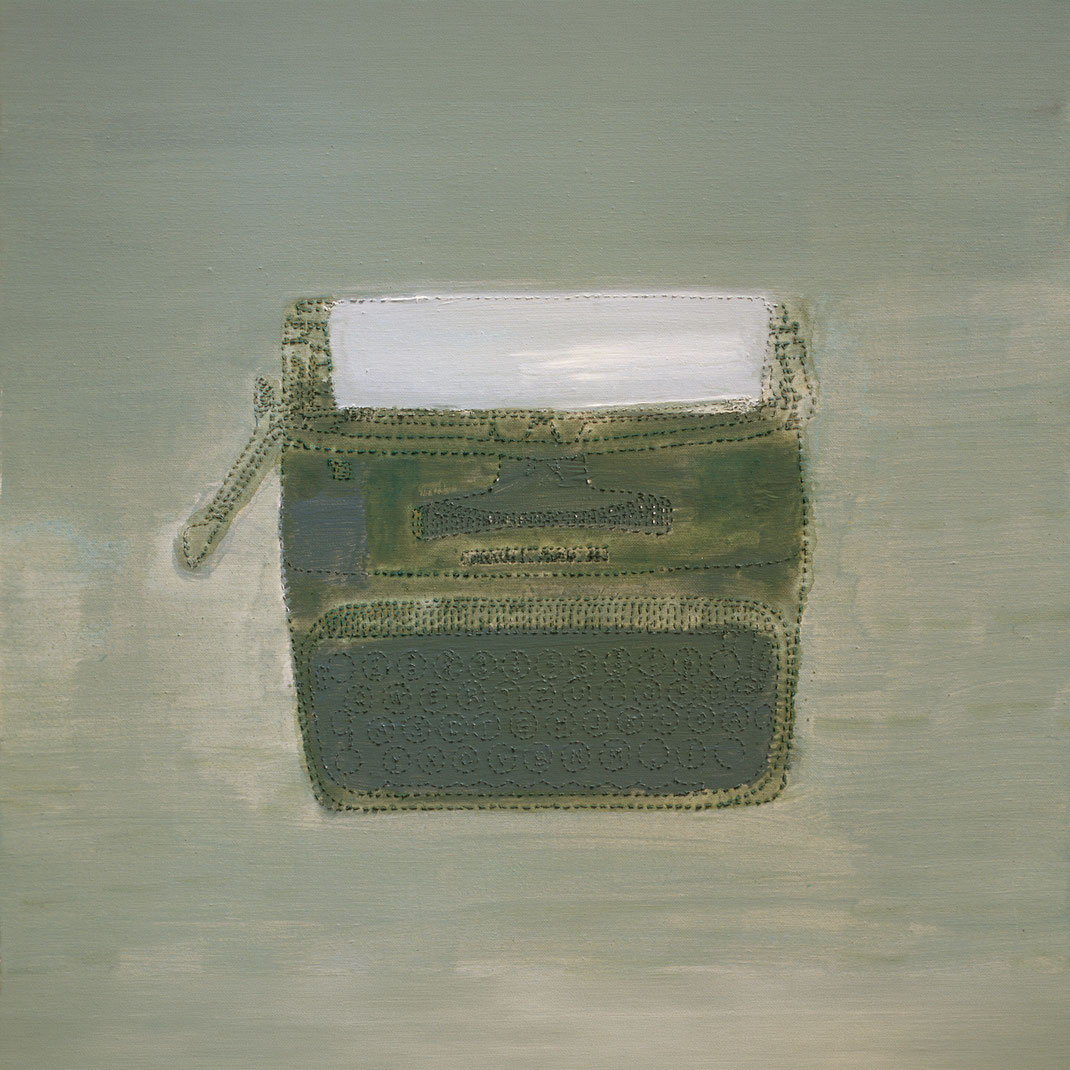
--- What is your most painful memory?
|
One day ten years ago, I received a letter from my husband’s lover, she told me she was pregnant with my husband’s child. She begged me to divorce my husband for the sake of her unborn child.
I just got pregnant at that time, and in anger I went to the hospital and got an abortion alone.
My husband was in absolute denial, but we were divorced anyway.
Our trust was completely destroyed. Even till today I still don’t know whether the letter was true or not, but that is not important anymore.
I have been single ever since, it’s been ten years, but I still think I can not move on from this pain.
--- If that memory could be transformed into an object ,what would it be ?
Typewriter,the letter was typed out by a typewritter.
--- what color would you use to describe this memory?
It is dark grey, almost with a kind of green and yellow.
|
问题一: 你所经历的最痛的记忆是什么?
十年前的一天,我收到了一封来自我丈夫情人的信。她告诉我,她怀上了我丈夫的孩子。为了她腹中尚未出生的孩子,她恳求我与丈夫离婚。而那时,我自己也刚刚怀孕。愤怒之下,我独自去了医院,做了流产手术。
我的丈夫对此矢口否认,但最终,我们还是离婚了。我们之间的信任已经彻底崩塌。直到今天,我依然不知道那封信究竟是不是真的,但这已经不重要了。
从那以后,我一直单身。十年过去了,可我仍然觉得自己无法从这份痛苦中走出来。
问题二: 如果把这段记忆还原成一个物体的话,会是什么物体?
一台打字机。因为那封信,就是用打字机打出来的。
问题三: 如果选择一个颜色来描述这段记忆,会是什么颜色?
深灰色,带着一点绿色,又带着一点发黄的颜色。
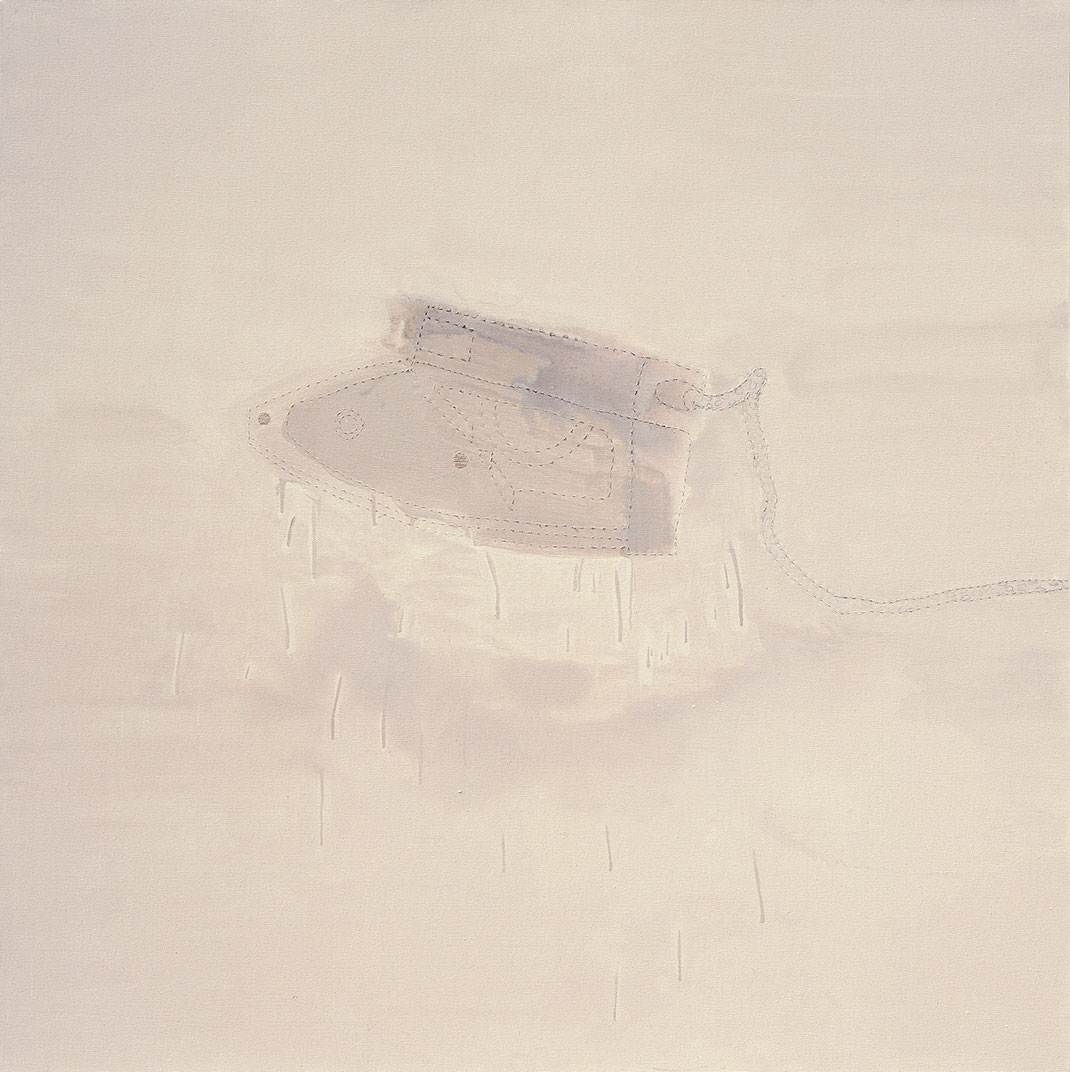
--- What is your most painful memory?
When I was twelve, I was sexually assaulted.
I ran home to tell my mother.
I remember she was ironing clothes at the time.
I told her what happened,
including some details I didn’t want to tell,
what that man had told me,
what he had done to me…
He was an old friend of my parents.
The whole time I was telling her this,
she never stopped ironing clothes,
and never looked up at me.
At the end, she told me,
coldly: sometimes children misunderstand the actions and words of adults.
When it happened, I didn’t feel like I had been hurt,
but many years later I finally realized that
this was my most painful memory.
--- If that memory could be transformed into an object ,what would it be ?
An iron
--- What color would you use to describe this memory?
Grey, like the color of dust
问题一: 你所经历的最痛的记忆是什么?
我12岁那年,受到性侵犯,我跑去告诉我的母亲,我还记得那时她正在烫衣服,我说了发生的事情,包括一些我不愿意说的细节,那位成年男子对我说了什么,对我作了什么,他是父母多年的好友,我叙述的整个过程,母亲始终没有停下她正在熨烫衣服的手,也没有抬头看过我一眼,她最后也只是很冷静地说:小孩有时会误解成人的行为和言谈。这件事情发生的时候,我并没有觉得对我有多大的伤害,多年之后,我才意识到,这段记忆是我最痛的一段记忆。
问题二: 如果把这段记忆还原成一个物体的话,会是什么物体?
熨斗。
问题三: 如果选择一个颜色来描述这段记忆,会是什么颜色?
灰色的,灰尘那样的灰色。
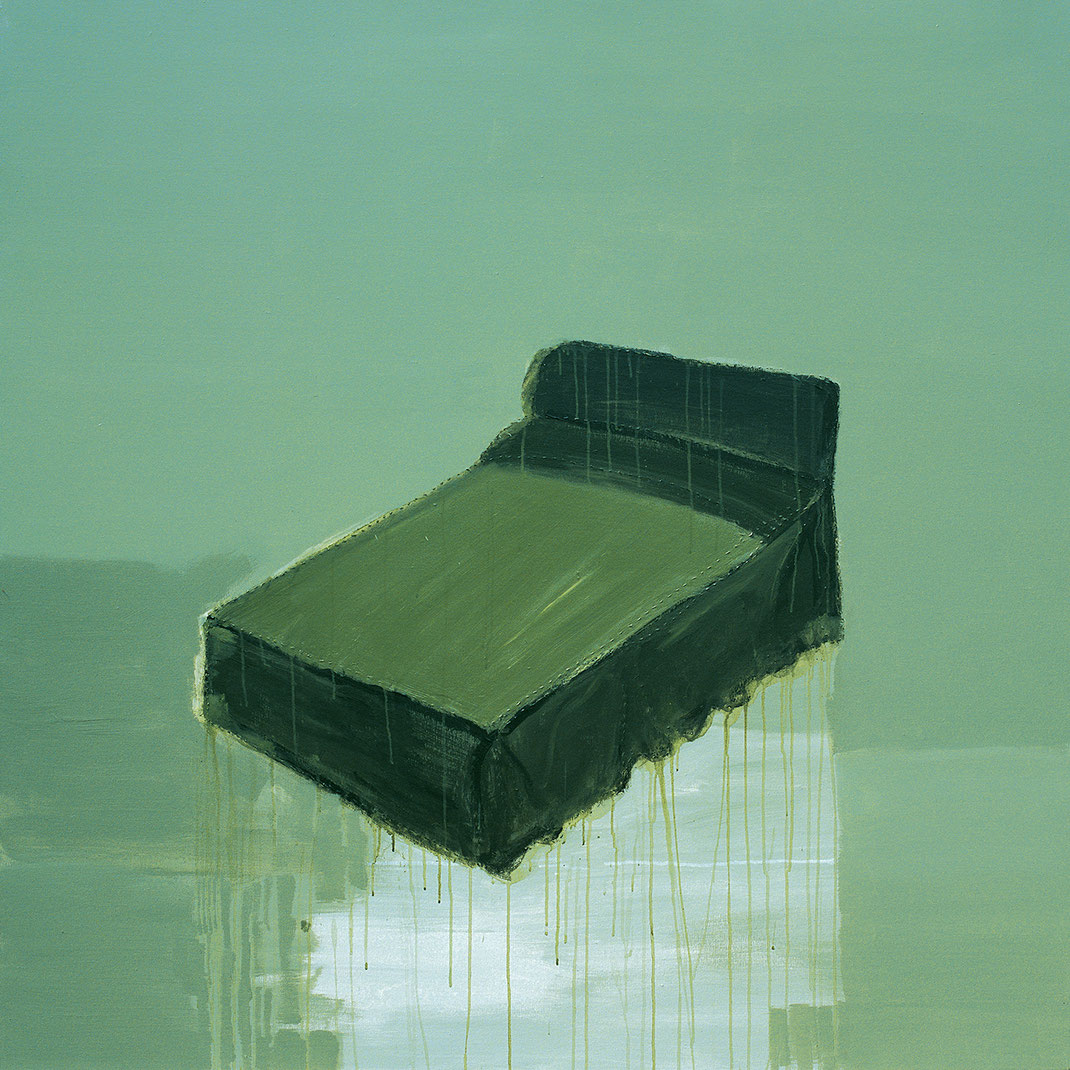
--- what is your most painful memory?
About seven or eight years ago, when I found out that my girlfriend’s former boyfriend was diagnosed with HIV, I went to the hospital to get tested. The test results took several months to come back. Those months were a time of fear and pain.
--- If that memory could be transformed into an object ,what would it be ?
A bed
--- what color would you use to describe this memory?
Green, deep, dark green, the color of olives
问题一: 你所经历的最痛的记忆是什么?
大约7,8年前,当我发现我那时的女朋友的前男友刚刚被确认得了爱滋病,我去了医院,作爱滋病检测,获得结果需要几个月的时间,等待结果的几个月,是我最恐惧和伤痛的一段记忆。
问题二: 如果把这段记忆还原成一个物体的话,会是什么物体?
是一张床。
问题三: 如果选择一个颜色来描述这段记忆,会是什么颜色?
绿色的,深的,暗的,橄榄绿的颜色。

--- What is your most painful memory?
My most painful memory is a dream I had. I dreamt that my father died, and in that dream, I was full of grief, and I woke up in pain. My father lived with me at the time, and when I woke up, I did something surprising. I walked to the room where my father was sleeping, quietly bent over, and checked to see if he was breathing. I didn’t calm down until I knew he was breathing normally. I wasn’t happy, just calm. I sat there in his room for about half an hour and then left.
--- If that memory could be transformed into an object ,what would it be ?
A face.
--- What color would you use to describe this memory?
Blue, like the color of a clear sky.
问题一: 你所经历的最痛的记忆是什么?
最伤痛的记忆是我作过的一个梦,梦见我父亲去世了,在梦里我非常伤心,心痛极了,我痛苦地醒来,那时我父亲住在和我一起的同一套房子里,我醒来之后,做了一件不可思议的事情,那就是,我走到父亲正在睡觉的房间,坐在他的床头,身体轻轻地探下去,检查他的呼吸,我意识到他很正常地呼吸着,我才平静下来,没有喜悦,只有平静。之后我在他的房间安静地坐了大约30分钟,然后离开。
问题二: 如果把这段记忆还原成一个物体的话,会是什么物体?
是一张脸。
问题三: 如果选择一个颜色来描述这段记忆,会是什么颜色?
蓝色,象晴朗的天空那样的蓝。
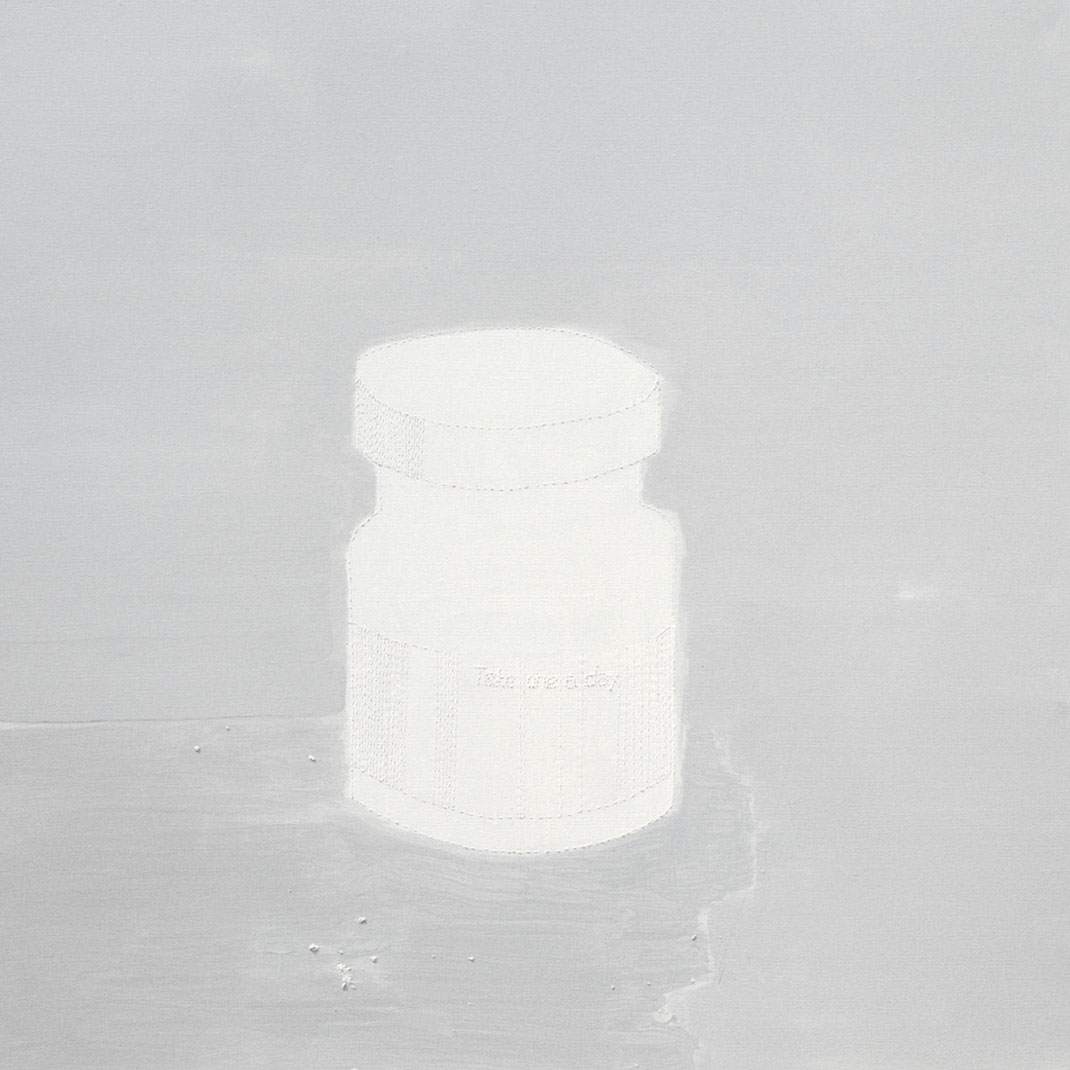
--- what is your most painful memory?
I once had an older brother who died of an illness at the age of six. For many years, my mother was unable to escape the shadows of this tragedy. She placed his picture in every corner of the house, and spoke often of every little detail of his life. Though I was also her son, I would never be perfect enough. For a long time, I was an ignored replacement. The boy in the picture was timeless and perfect, but I, here in reality, was a disappointment, full of unacceptable shortcomings.
Because of this, my relationship with my mother was full of tension and unease. Many years later I realized I was constantly trying to please her, striving to approach her standards and become what she liked. I couldn’t even face the real me. This also affected my attitude towards the people around me. I tried to please them just as I tried to please my mother, seeking out security, love and friendship through pleasing people. This is the most painful part of my memories. It led to depression and a pain that lasted for thirty years.
--- If that memory could be transformed into an object ,what would it be ?
A pill bottle full of pills.
--- What color would you use to describe this memory?
White, an extremely desolate white
问题一: 你所经历的最痛的记忆是什么?
我曾经有过一个哥哥,六岁的时候因病去世,我的母亲多年无法走出这道阴影,她把哥哥的照片在家里的每个角落贴得到处都是,她常常谈论他曾经的种种生活细节,而我,虽然也是她的儿子,却永远是个不够完美,根本就长期被忽视的替代品,那个照片中的男孩是永恒的,完美的,而现实中的我,却是令人遗憾,有着无数难以容忍的缺点和不足。
我和母亲的关系因此充满了紧张和不安,很多年以后我才意识到,我一度在不断地试图取悦于她,极力靠近她的标准,变成她喜欢的模样,我甚至不敢正视真实的我,这直接影响了我对周围其他人的态度,我象取悦母亲一样在取悦其他人,企图通过取悦而获得安全感,爱和友谊,这是我记忆中最痛的部分,我为次得了抑郁症,这份痛持续了30年。
问题二: 如果把这段记忆还原成一个物体的话,会是什么物体?
一个装满药片的药瓶子。
问题三: 如果选择一个颜色来描述这段记忆,会是什么颜色?
白色,非常苍白的白色。
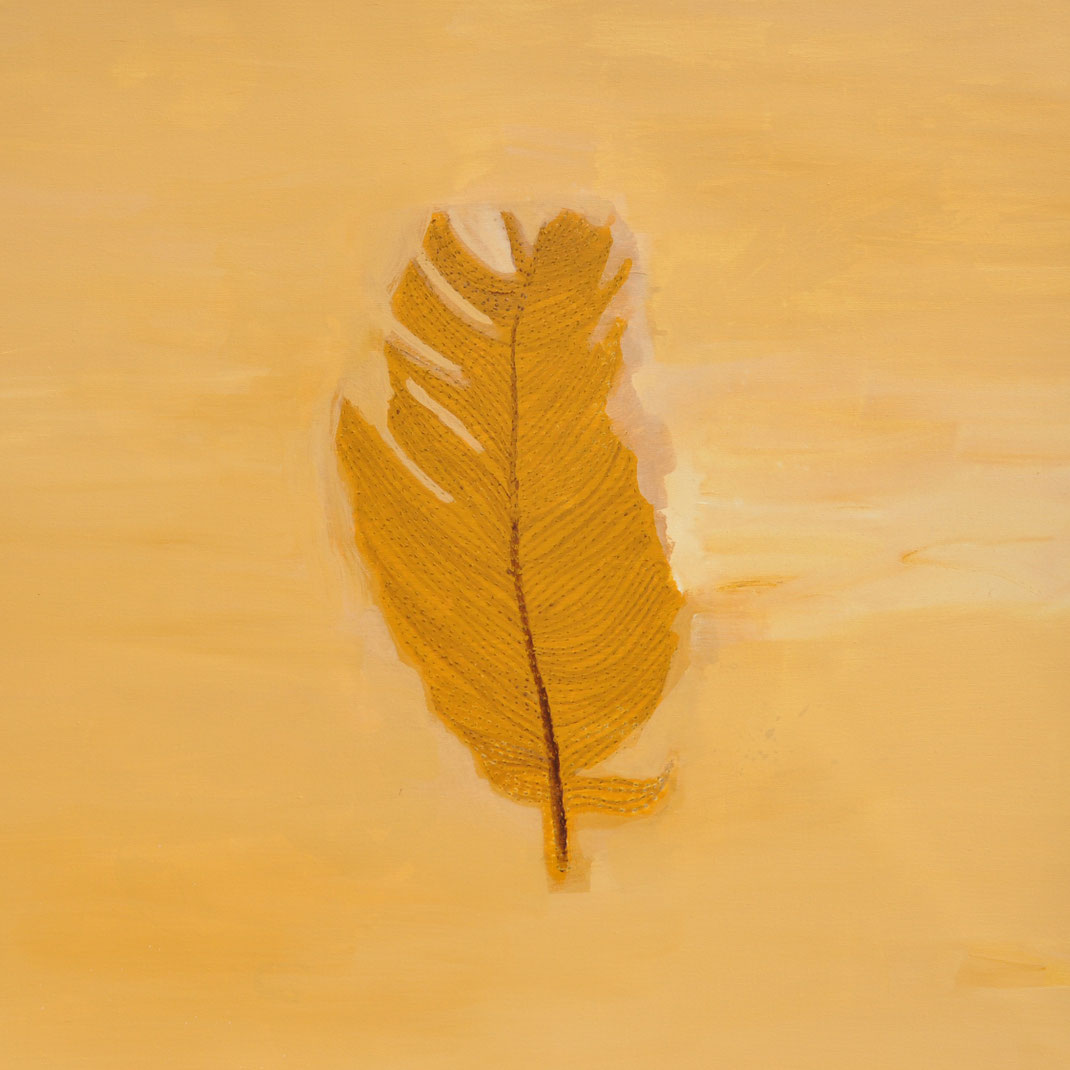
--- What is your most painful memory?
My father died in a car crash when I was six.
My mother was a homemaker, and we had always lived off of my father’s income. At the time, I had a four year old sister and a two year old brother.
My mother grabbed some luggage and took us to live
at the house of my uncle, my father’s younger brother.
But his wife kicked us out, and we had nowhere to go.
My mother led the three of us as we wandered the streets.
I saw a feather on the street, and I picked it up.
When I did that, my mother ran up to me in a crazed frenzy, snatched the feather out of my hand and threw it on the ground. I cried.
Years later, when I recalled this, I realized that it was a very painful memory.
I will never forget my mother’s face that day, so full of despair.
--- If that memory could be transformed into an object ,what would it be ?
A feather.
--- what color would you use to describe this memory?
Yellow, an old, mournful, deep yellow.
问题一: 你所经历的最痛的记忆是什么?
我六岁的时候,我父亲因为车祸去世,我的母亲是一个家庭主妇,一直是父亲在挣钱养活我们一家人,我那时还有一个4岁的妹妹,2岁的弟弟,母亲简单收拾了一点行李,带着我们仨去投奔父亲的弟弟,父亲的弟媳把我们一家都轰了出来,于是我们无家可归,母亲带着我们三个孩子流落街头,我在路上看见一片羽毛,我立刻把它拾起来,母亲象疯了似的冲到我的跟前,一把抢过那片羽毛,使劲地扔在地上,我那时哭了,多年之后,我重新回忆这段往事,我才意识到,那是一段我非常伤痛的记忆,我忘不了母亲那时地表情,那么绝望的表情。
问题二: 如果把这段记忆还原成一个物体的话,会是什么物体?
一片羽毛
问题三: 如果选择一个颜色来描述这段记忆,会是什么颜色?
黄色的,旧的,有些伤感的,深一点的黄色。

--- What is your most painful memory?
During my college internship,
my teacher asked me to assist him in a surgery.
At first, the surgery was rather relaxed.
My teacher was working with so much ease, and I was full of respect for him.
About halfway through the surgery, the patient’s breathing grew short, and we immediately went into rescue mode.
I saw the patient’s heart stop, and my hands begin to shake.
After what seemed like a century, my teacher dropped his scalpel.
A living, breathing life had ended in a blink of the eye.
It turned out that there isn’t much distance between life and death.
After that, I decided to change my profession.
--- If that memory could be transformed into an object ,what would it be ?
A scalpel
--- What color would you use to describe this memory?
Blue
问题一: 你所经历的最痛的记忆是什么?
我大学实习的时候,我的导师让我辅助完成他的一个外科手术,手术的开始,是比较轻松的,我看见导师非常自如地操作,我非常敬佩他,手术进展到大半,病人忽然呼吸急促,我们立刻开始非常紧张的抢救,眼看着病人失去了心跳,我的手开始颤抖,仿佛过了一个世纪那么久,我的导师丢开了他手上的手术刀,一个活生生的生命就这样瞬间结束了,生死之间,居然如此之近,从那以后,我决定改行。
问题二: 如果把这段记忆还原成一个物体的话,会是什么物体?
手术刀
问题三: 如果选择一个颜色来描述这段记忆,会是什么颜色?
蓝色的
Trust is A dangerous Game (2020)
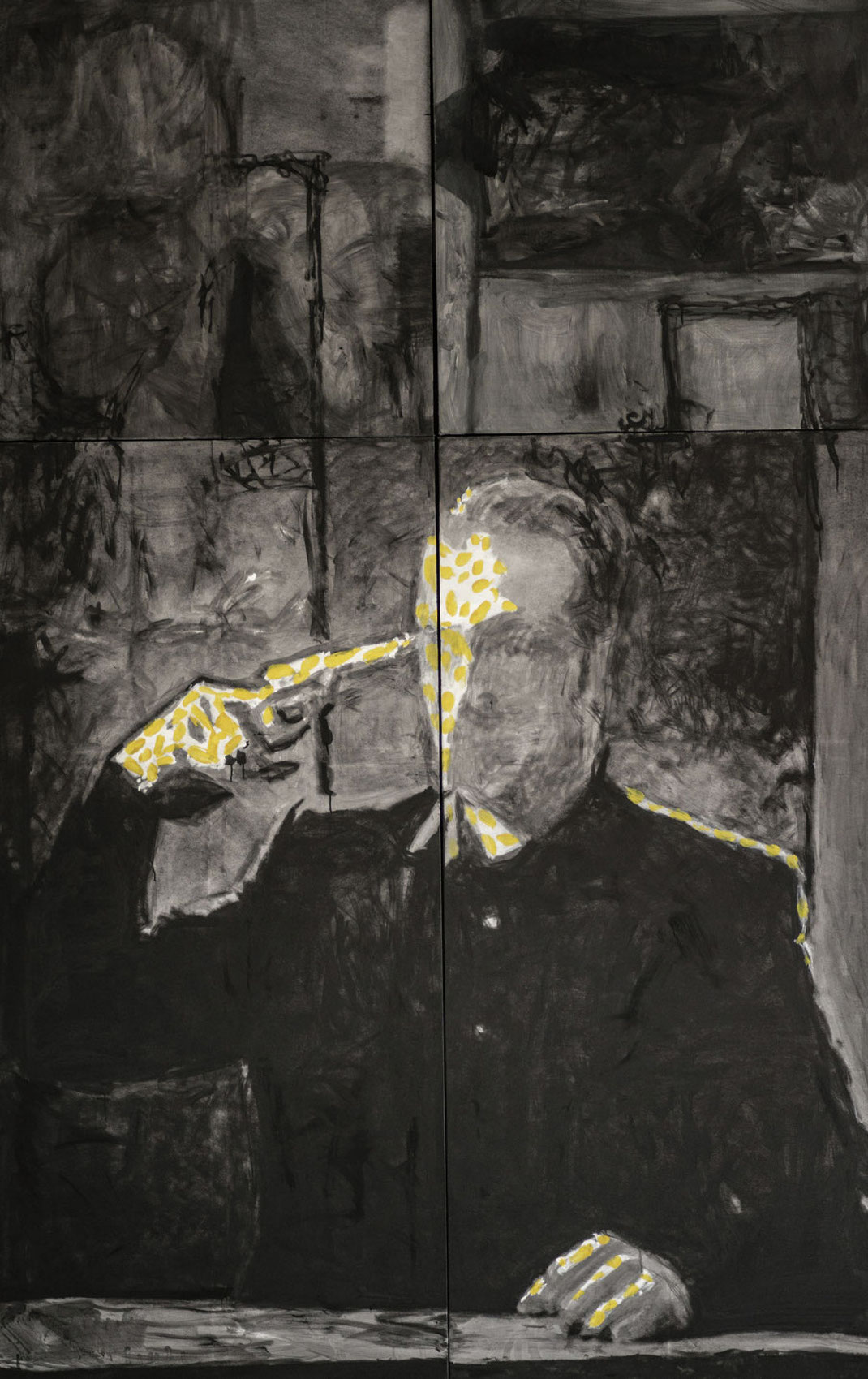
Trust is A dangerous Game 320x200cm 2020

The Power of Becoming 220x200cm 2020

The Power of Fear 200x160cm 2020