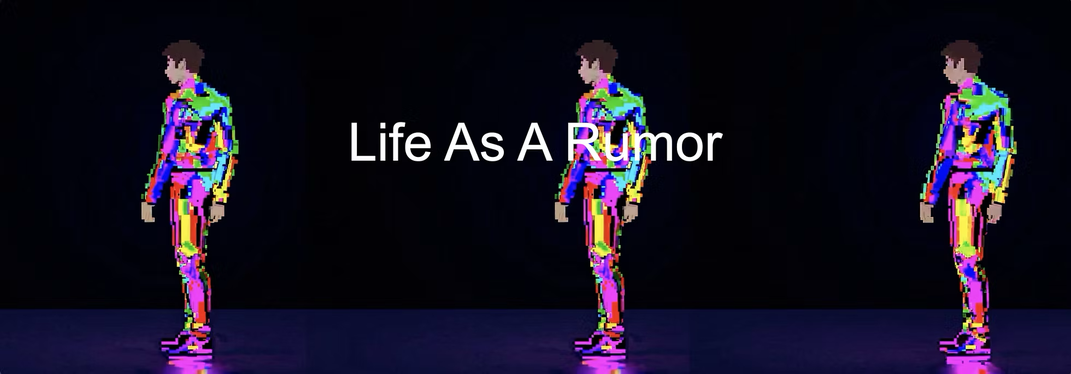
Life As A Rumor. video 2025
Life As A Rumor
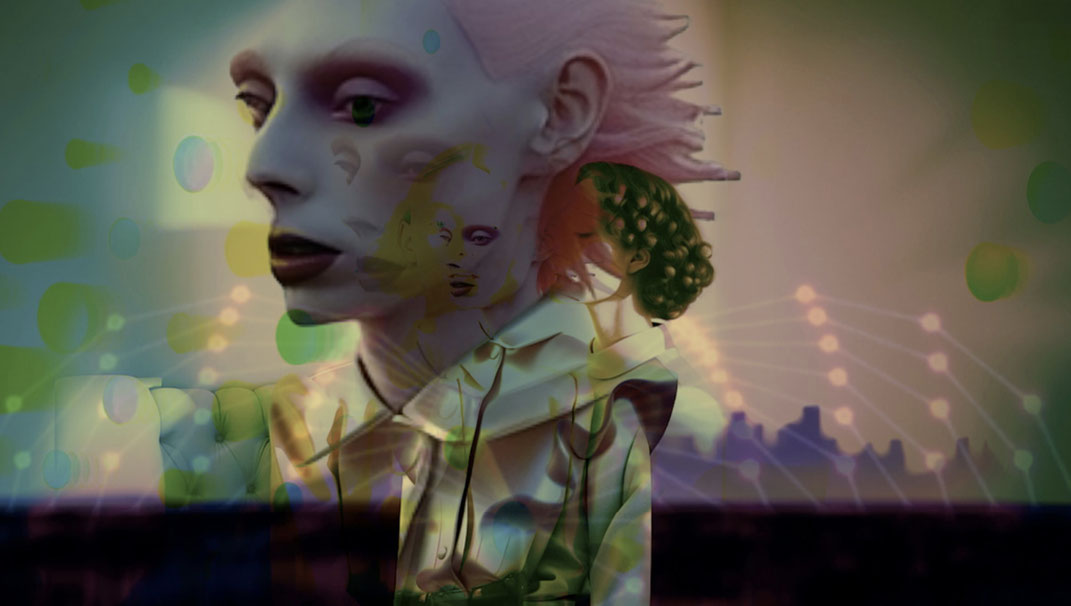
is a 15-meter-wide panoramic video installation that investigates the fluidity of identity, the uncertainty of truth, and the ways in which reality is continuously constructed and reconstructed between certainty and ambiguity in the digital age.
Lies, rumors, memories, histories, and identities are woven into a shifting narrative field, where human perception itself, including collective imagination and social consensus, emerges as the least reliable narrator. The work approaches rumor as a generative mechanism of reality: it may depart from factual truth, yet ultimately come to shape what is accepted as reality. In doing so, it reveals not only the instability of reality itself, but also the inherent fragility of identity as a social and cultural construct.
《生活在谣言》
是一件长达15米的宽银幕影像作品,探讨身份的流动性、真相的不确定性,以及数字时代,现实在确定性与模糊性之间不断建构和重塑的过程。谎言、谣言、记忆、历史与身份彼此交织,包括集体想象、社会共识在内的人类的感知本身,成为最不可靠的叙述者。谣言被视为一种现实生成机制:它既可能偏离事实,也可能最终塑造事实;既揭示现实的不稳定性,也暴露身份建构本身的脆弱性。
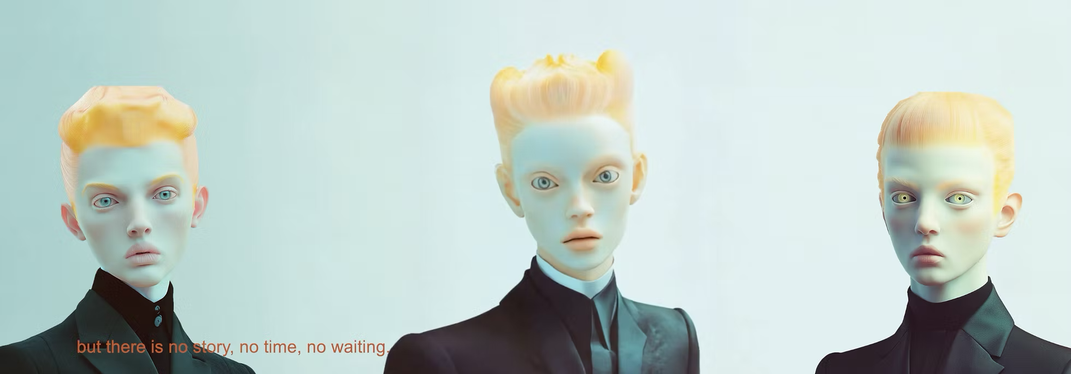
Single channel video
10'47"
Edition 3 + 1AP
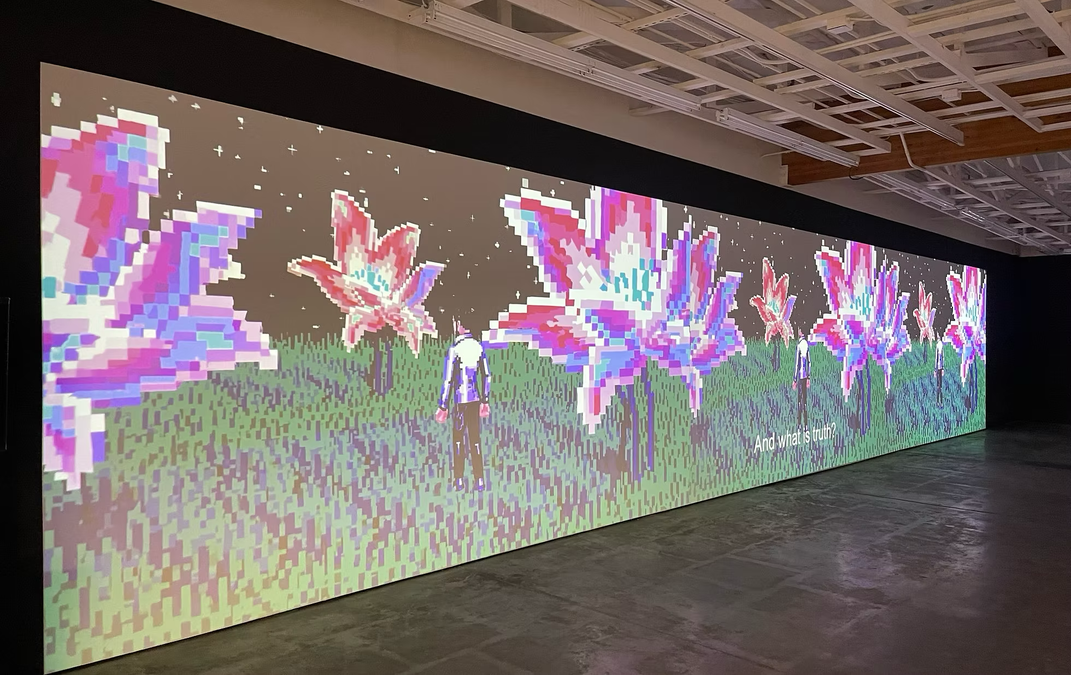
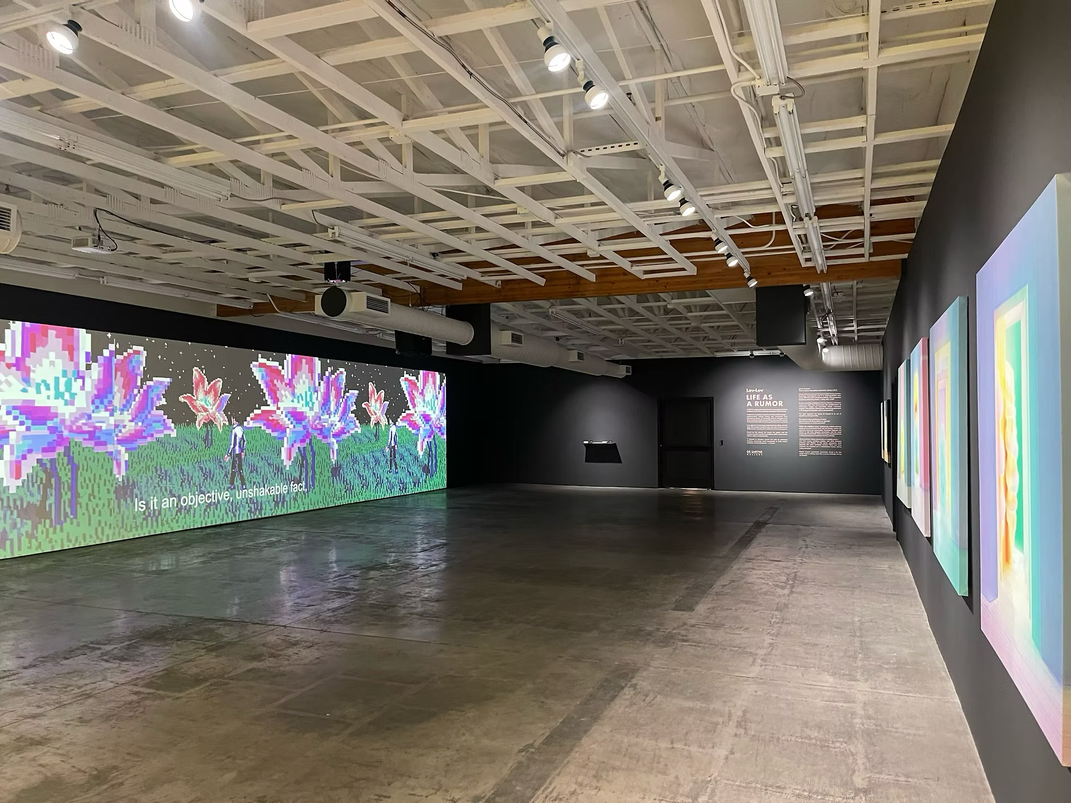
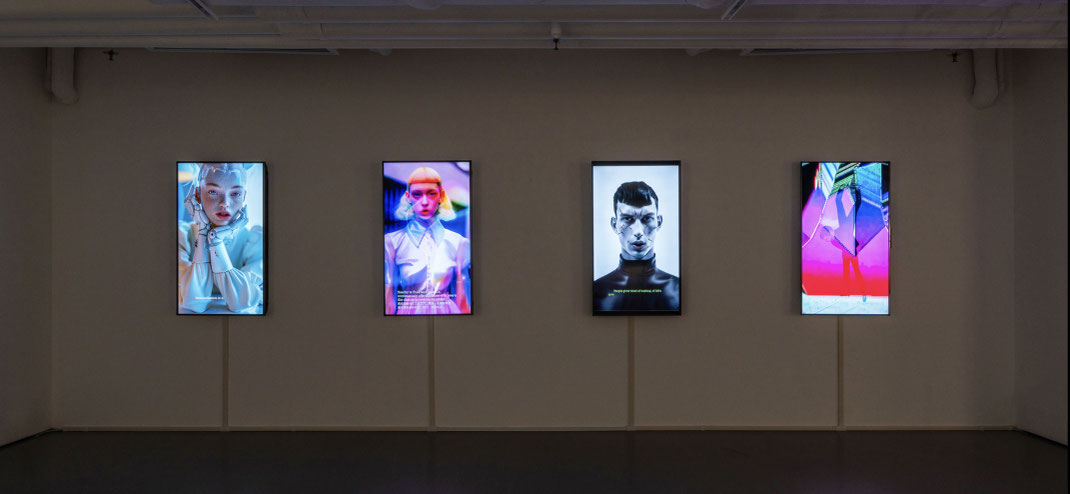
Everything is Unreal Until It’s Not consists of a series of videos, works on canvas, and a piercing semi-organic installation. Through a stark contrast between idyllic and unsettling imagery, the work initiates a dialogue on the comforts and catastrophes of the technological era. The presented artworks not only speculate on the authenticity of a virtual mirage, but also allude to the intricate illusions of reality. As the title suggests, everything is unreal until it is not.
Lov-Lov is a fictitious artist identity developed by Lin Jingjing, as an unrestricted amorphous vessel of artistic creation. Inspired by the versatility and fluidity of artificial intelligence, Lov-Lov is a self-defined entity free of physical indicators and binary definitions such as age, gender, and ethnicity. Lov-Lov aims to be a mimesis of consciousness. Adopting the transhumanist capabilities enabled by contemporary technology, it seeks to peek behind the veil of empirical reality.
In the Critique of Pure Reason (1781), German philosopher Immanuel Kant proposed the doctrine of “transcendental idealism,” which suggests that all perceptions of objects and reality are not of the subjects themselves, but only the way they appear to us under the influence of our sensibilities. In other words, reality is but a phenomenon authenticated by subjective feeling. However, this notion has grown far more complex in the contemporary era. With the pervasive influence of technology, every aspect of living is rendered sweeter, brighter, and more palatable. Everyone and everything appear more beautiful when experienced through carefully manipulated systems designed to please, comfort, and persuade. Lov-Lov asks: Is this the new reality? Is this what humanity, as a collective, has tacitly subscribed to believe?
Lov-Lov’s video works present a world shaped by these conditions. Within the videos, humanoids with flawless features and perfectly symmetrical faces appear one after another in continuous montage. Less than sixty seconds a pop, adhering to today’s rule of thumb for consuming media, each clip comprises an ambiguous sermon, preaching a vaguely familiar truth. The faces, toying with the effect of the “Uncanny Valley,” are hauntingly seductive yet inexplicably alarming.
The imagery of each video was crafted using contemporary software and AI, while the scripts were composed by mimicking AI generative methods through a blend of varied existing materials. Targeting human irrationality and emotion, the texts are guided by rhetoric, unfolding almost like love songs. Equivocal yet evocative, the videos are reminiscent of artificial sweeteners. Lov-Lov raises another question: If the taste is sweet, do we still need to care about the ingredients? In a world saturated with illusion, if an empirical narrative is convincing, does rational discourse still retain any significance?
An extension of the video works, Lov-Lov’s paintings portray familiar yet dreamlike artificial environments. Between strangely scaled architecture and polyhedral trees, solitary figures wander casually as if digital avatars navigating a virtual landscape. Offering an alternative landscape to real life, the artworks speak to the evolving tendency toward technological escapism, where virtual worlds have become not only temporary refuges, but immersive oases increasingly embraced as part of reality itself. From personal devices to urban landscapes, there is seemingly a simulated reality masked over everyday life, a candy-coating that thickens with every digitally enhanced image and every carefully calculated stream of information. Yet when desires for control are repackaged as comforting promises, when fears of the unknown are distracted by illusion, and when the blue pill of hope and indulgence remains within reach, why would we not willingly accept it? After all, everything is unreal until our will accepts it as real.
However, certain historical events inevitably arrive to shatter the mirages in which we place our faith. Lov-Lov’s installation responds to the consequences of prolonged life within illusion. In sharp contrast to the videos and paintings, the installation artwork Everything is Unreal Until It’s Not (2024) presents a mirror quietly positioned at the center of the space. Suspended above it are thorn-covered vines that appear to grow from knife handles, extending outward like a spreading nightmare.
As if a scene from a classic fairytale, the installation conveys a certain banality in its representation of harm and hostility, reflecting our disbelief in the possibility of total catastrophe. In an age where idealism is continually reaffirmed, traumatic events such as war and large-scale disease often register as fiction within our subconscious minds. As catastrophe occurs, we observe from a distance through filtered information, allowing the illusion to remain intact. Only when misfortune occupies and replaces the screens through which we view reality, forcing direct confrontation with adversity, do we finally see—and exclaim:
“Wow, this doesn’t feel real.”
《一切都是幻觉,直到成为现实》
(Everything is Unreal Until It's Not)
包含一系列录像,布面作品以及一件尖锐刺骨的半有机装置。艺术家透过田园诗般和令人不安的意象两者间鲜明的对比展开对话,探究科技时代带来的舒适与灾难,不仅揣测了虚拟幻像的真实性,同时暗指现实中错综复杂的假象,正所谓:一切皆是幻觉,直至它们成为现实。
Lov-Lov 是一个由林菁菁建构不受限制的艺术家身份,以作为创作的非定形容器。受人工智慧的多变性和流动性所启发, Lov-Lov 是一个自我定义的实体,免除了物理指标和年龄,性别,种族等二元定义。 Lov-Lov 旨在成为意识的摹仿,它选择了当代科技所带来的超人类能力,借此窥探藏匿于经验主义面纱背后的现实。
德国哲学家伊曼努尔. 康德在《纯粹理性批判》(1781 年)中提出了「先验唯心主义」学说,认为对物体和现实的所有感知都不是主体本身,而只是它们在我们感性的 影响下呈现在我们面前的方式。 换 句话说,所谓现实不过是被主观感觉所证实的现象。 然而,此一概念于当代变得更为复杂。 在科技大 量渗透的推波助澜之下,生活的各个层面都被粉饰得更甜蜜,更明亮,更可口。 当我们透过这种精心操纵以取悦、安慰和打动而造就的体验时,每个人和每件事都会显得更加美妙动人。 —Lov-Lov 赘问, 这是新的现实吗? 这是人类作为一个集体所默许信奉的吗?
Lov-Lov 的布面和录影作品设想了一个体现上述理念的世界呈现在观众眼前。 录影作品中, 一个个有着完美五官、精确对称脸孔的类人类(Humanoid)蒙太奇式的接二连三地出现。 秉持了当今媒体消费的经验法则,每条录影带以不到 60 秒时间,呈现一段模棱两可的训示,宣扬似曾熟悉的真理。 这些脸孔把弄着「恐怖谷」的效果,使人心驰神往,却又莫名惊恐。
录影作品中的影像都使用了当代智慧软体和人工智慧制作而成,旁白脚本则模仿了人工智慧的生产方法, 融合各种现成素材混合而成。 其文字指向人的非理性情感,透过修辞的牵引撰写出一首犹如情歌般作 品。 这些影片让人联想到人造甜味剂,味道不明却叫人成迷不已,Lov-Lov 在此进而质问:「只要味道甘甜,我们还需在乎成份吗?」。 若然在这虚幻充斥的世界中,如果经验主义的叙事令人信服,理性的话语是否仍具备任何意义?
作为录影作品的延伸,Lov-Lov 的布上作品描绘了一个既梦幻又宁静的常见人工场境。 其中,孤独的人物漫不经心地游荡于比例奇特的建筑和棱角多面的树木之间,仿佛电子游戏中玩家的数位化身。 作品不仅提供了现实以外的另类景观,更反映了迅速发展的科技所蕴含逃避现实之趋向,在这大趋势下,虚拟世界已不仅仅是人们临时的避风港,更被视为现实生活一部分,使人身临其境的绿洲。 从个人装置仍至城市景观,我们所处的生活仿似被模拟现实全然覆盖,每滑过一张经过数码美化的图像或大数据下精密计算的资讯,都让这层糖衣变得更加厚重 。
然而,当自身对控制的欲求不满被包装成甘言蜜语、 对未知的恐惧得以被各种幻像分散、许诺希望和放纵的蓝色药丸就在眼前,我们何不心甘情愿地接受? 毕竟,一切皆是 虚幻,直至我们的意志接受它成为真实。
然而,当人类为了心理上的愉悦而摒弃血肉之躯,亦必定会迎来某些重大的历史性事件将我们当头棒喝,粉碎信以为真的海市蜃楼。Lov-Lov在展览中的一件装置作品,便回应了长期生活于幻像中的后果。 与录影和布面作品形成鲜明对比的,是与展览同名的装置作品《一切都是幻觉,直到成为现实》(2024 年)。
一面镜子安静地座落于展场的正中央,上空悬挂着仿似从刀柄上生长出来的带刺的藤蔓,就像一场蔓延扩展的恶梦伸向空间的顶端。 装置如同经典童话故事中的场景般,其表现伤害和敌意的形式同时展现出某种迂腐,反映我们对可能出现的彻底灾难感到难以置信。 在理想主义被不断重申的今天,战争和大规模疾病等创伤于我们的潜意识中如同虚构。
当灾难发生时,我们往往只从远处观察、接受被过滤的资讯,好让幻象得以维持。 只有当厄运真正占领并取代我们那直视着的萤幕,迫使与不幸对峙的瞬间,我们才会终于看到,而惊呼:「哇,这太不真实了」。
Single channel video
2'37"
Edition 3 + 1AP

Inconvenience
Single channel video
3'06"
Edition 3 +1AP

Single channel video
1'00''
Edition 3 +1AP

Single channel video
0'33"
Edition 3 +1AP

Single channel video
3'07"
Edition 3 +1AP

Single channel video
2'37"
Edition 3 + 1AP

Single channel video
7'46"
Edition 3 +1AP

Single channel video
7'46"
Edition 3 +1AP

Single channel video
1'18"
Edition 3 +1AP

Single channel video
0'30"
Edition 3 +1AP

Single channel video
2'32"
Edition 3 +1AP
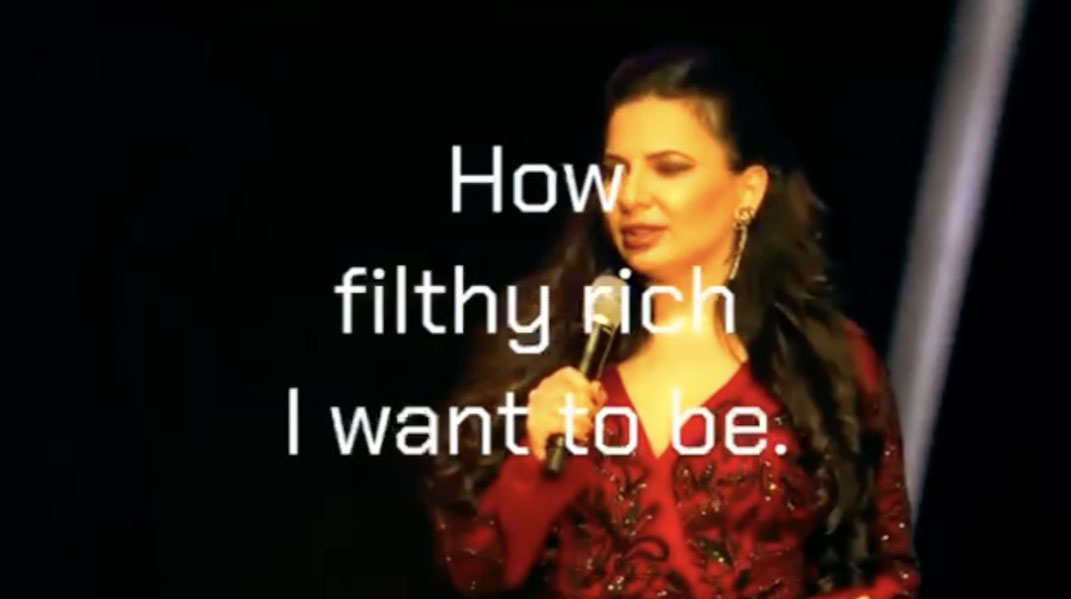
Ruja Ignatova is a highly dramatic real-life figure, known as the “Cryptoqueen.” She holds a Ph.D. in Private International Law, studied at the University of Konstanz in Germany and the University of Oxford, and previously worked at McKinsey. She founded the so-called cryptocurrency OneCoin, which was in fact a global Ponzi scheme involving billions of dollars. Through carefully crafted speeches and rhetoric, she convinced large numbers of investors that they were participating in a “financial revolution of the future” and would quickly reap substantial profits. In 2017, Ruja suddenly disappeared and has remained missing ever since. She is currently listed as a wanted fugitive by the FBI.
In Ruja’s Fantasy Was Everyone’s Fantasy, Lin uses footage from one of Ruja Ignatova’s public speeches, retaining the original audio while replacing the subtitles with entirely different text. The subtitles no longer serve the function of translation or communication, but instead become an intervention into the mechanisms of language. The originally confident and persuasive speech is continuously dismantled and reconstructed by another narrative. As voice and text diverge from one another, the gap between reality and performance, promise and desire, is exposed.
A scam succeeds not only because someone creates a fantasy, but because that fantasy responds to desires that already exist. The promises of wealth, success, security, and a better future lead people to participate willingly in the production of the fantasy. The victims are also participants. The fantasy is no longer something imposed upon people, but something collectively created and sustained.
Fantasy is not the opposite of reality; it is often part of reality itself. People create narratives, believe in narratives, spread narratives, and ultimately come to live within them together.
露佳的幻觉曾是每个人的幻觉
2022
视频
2分38秒
Ruja Ignatova 是一个极具戏剧性的现实人物,被称为 「加密女王」。她拥有国际私法博士学位, 曾就读于德国康斯坦茨大学与牛津大学,并曾在 McKinsey 任职。她创立了名为 OneCoin 的所谓「加密货币」,实际上是一个全球性涉及数十亿美元的庞氏骗局。她通过精心设计的演讲与话术,让大量投资者相信自己正在参与一场「未来金融革命」,并迅速地获益匪浅。2017年,Ruja 突然人间蒸发, 至今下落不明,并被 FBI 列为通缉要犯。
在《露佳的幻觉曾是每个人的幻觉》中,林使用了一段 Ruja Ignatova 的公开演讲录像,保留原始声音,却为其配上完全不同的字幕。字幕不再承担翻译与传达的功能,而成为一种对语言机制的介入。原本充满自信与煽动性的演讲,被另一套叙事不断拆解与重构。声音与文字彼此背离,真实与表演、承诺与欲望之间的裂缝因此被暴露出来。
骗局之所以成立,并不仅因为有人制造幻觉,更因为幻觉回应了人们真实存在的欲望。财富、成功、安全感与未来的承诺,使人们主动参与到幻觉的生产之中。受害者同时也是参与者,幻觉不再是被施加的,而是被共同创造和维系的。
幻觉并非现实的对立面,而经常是现实的一部分。人们创造叙事、相信叙事、传播叙事,并最终共同生活在这些叙事之中。

Single channel video
2'30"
Edition 3 +1AP
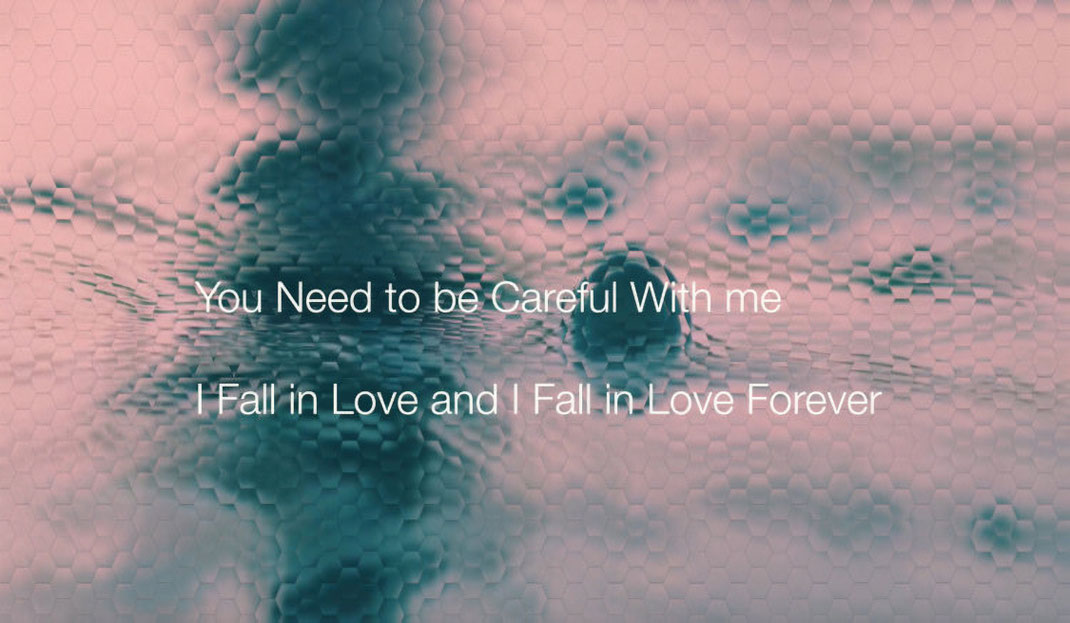
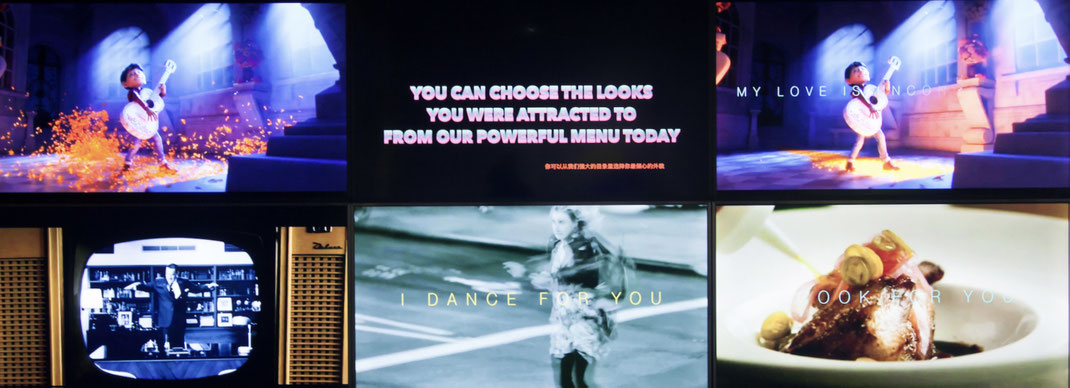
The 6-channel video You Need To Be Careful With Me: I Fall In Love And I Fall In Love Forever (2019) simulates an engaging commercial television advertisement. Using appropriated footage and images from movies and the internet in combination with dynamic commercial language, the artist introduces the audience to an all-new AI lover. While the video resembles a public service announcement, the world it presents appears dystopian. The seemingly affectionate title is suggestive of a double entendre as the word “forever” may be implying non-human. In Lov-Lov’s world, consumers can freely download the appearance, voice, behavior, memory, wisdom, and even humor of any human in history, such that they may maximize their happiness and satisfaction.
这部名为《你得小心点儿:我爱上了你,我将永远爱下去》(2019)的六通道视频模拟了一则引人入胜的商业电视广告。艺术家利用电影和互联网中的抓取素材与动态商业用语相结合,向观众介绍了一款全新的人工智能情人。尽管视频看起来像是一则公益广告,但其呈现的世界却显得反乌托邦。表面上亲切的标题可能具有双关含义,因为“永远”这个词可能在暗示非人类。在Lov-Lov的世界里,消费者可以自由下载任何历史上人类的外表、声音、行为、记忆、智慧,甚至幽默,以便他们最大化地享受幸福和满足。
6- channel video
5'30"
Edition 3 +1AP
single channel video
7'25"
Edition 3 +1AP
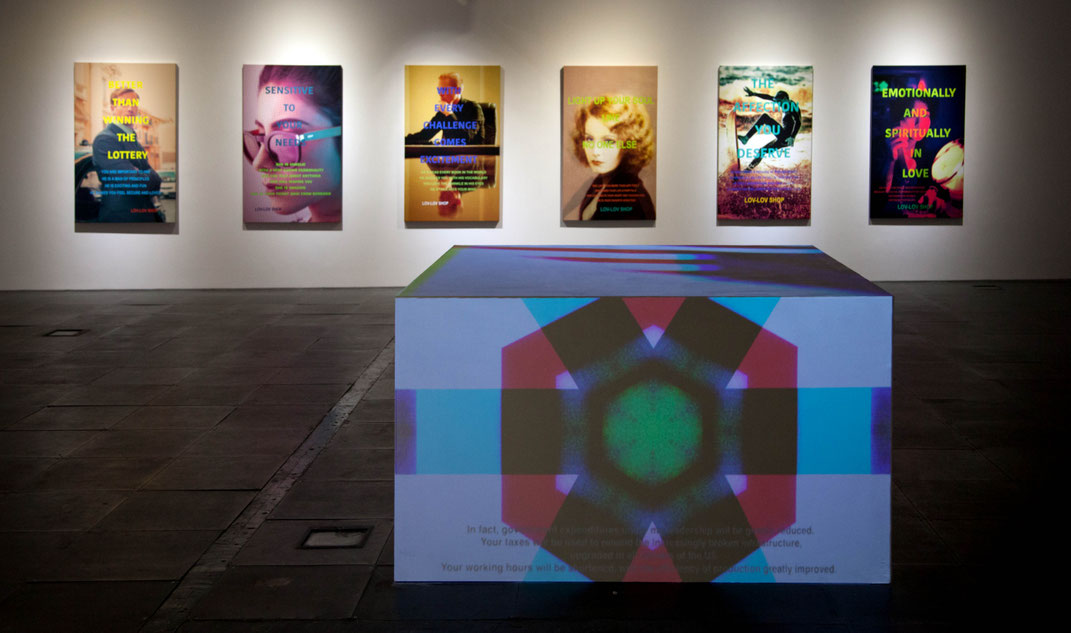
The five-sided cubic projection work New Dawn for America presents a campaign speech delivered by a fictional artificial-intelligence presidential candidate. Speaking directly to the audience in the first person, the candidate addresses some of the most sensitive and controversial issues facing contemporary society, including social division, economic inequality, racial tensions, and environmental crisis. Throughout the speech, it demonstrates a level of rationality, efficiency, and judgment that appears to surpass that of any human political figure.
Within the future narrative constructed by the work, this artificial-intelligence candidate possesses not only superior capacities for information processing and decision-making, but is also free from self-interest, emotional instability, health concerns, and personal scandals. It appears capable of overcoming many of the limitations that have long confronted human politics, while representing the interests and will of the majority with unprecedented accuracy.
The American democratic system exists not because human beings always make the correct decisions, but because people possess the right to participate in making those decisions. Yet when an intelligent system is believed to be more rational, more objective, and more efficient than human beings, will people still be willing to assume responsibility for choice? If algorithms can replace judgment, what does democracy mean?
The work reveals a tendency that is already emerging: when technology is perceived as more reliable than human beings, people begin to voluntarily relinquish forms of judgment and responsibility that once belonged to them.
New Dawn for America extends the discussion of substitution into the political sphere. If intelligent companions replace intimate relationships, then an artificial-intelligence president replaces judgment, responsibility, and public participation itself. Are human beings expanding their capabilities, or gradually surrendering forms of control and power that were once considered fundamentally human? The efficiency and convenience promised by technology may lead people to overlook deeper questions concerning freedom, responsibility, and the collective future.
五面立方体投影录像作品《为美国定制一道崭新的曙光》呈现的是一位虚构的人工智能总统候选人的竞选演讲。
作品中的候选人以第一人称面对观众,从社会分裂、贫富差距、种族矛盾、环境危机等最敏感且最具争议性的议题切入,展现出远超人类政治人物的理性、效率与判断能力。
在作品所构建的未来叙事中,这位人工智能候选人不仅拥有更强大的信息处理能力与决策能力,也不存在私欲、情绪波动、健康问题或个人丑闻。它似乎能够避免人类政治长期面对的种种缺陷,并以前所未有的准确性代表多数人的利益与意志。
美国式的民主制度之所以存在,并非因为人类总能作出最正确的决定,而是因为人们拥有参与决定的权利。然而,当一个智能系统被认为能够比人类更理性、更客观、更有效率时,人们是否仍然愿意承担选择的责任?如果算法能够替代判断,那么民主意味着什么?
作品揭示一种正在发生的倾向::当技术被认为比人类更可靠时,人们也开始主动放弃原本属于自己的判断与责任。
《为美国定制一道崭新的曙光》将替代逻辑的讨论推进到政治层面。如果说智能伴侣替代的是亲密关系,那么人工智能总统所替代的则是判断、责任与公共参与本身。人类究竟是在扩展自身能力,还是在逐渐放弃原本属于人的控制和权力?技术所承诺的效率与便利,也许让人们忽略了对于自由、责任与集体未来的思考和理解。
Single-channel video
3'27"
Edition 3 +1AP
4-channel video
10'26"
Edition 3 +1AP
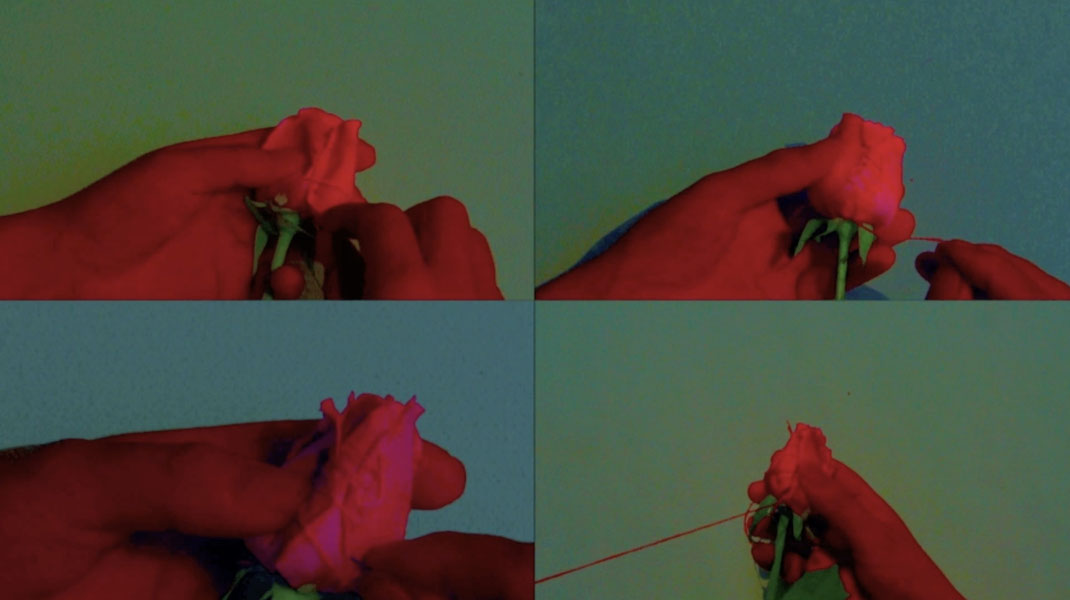
In the Rose Rose video work, the act of a needle piercing fresh rose petals is dramatically slowed down. What would normally be an instantaneous moment of puncturing and stitching is extended into a gradual and unavoidable process.
Through the use of close-up imagery, the relationship between rupture, stitching, and pain is continuously magnified. The viewer is not simply watching an action unfold, but is compelled to remain within the process of repair itself.
在《玫瑰玫瑰》录像作品中,针尖穿过新鲜玫瑰花瓣的动作被大幅延缓。原本瞬间完成的刺入与缝合,被拉长为一个缓慢而难以回避的过程。
近距离的影像语言使破裂、缝合与疼痛之间的关系被持续放大。观众不仅观看一个动作,更被迫停留于修补发生的过程之中。